Repairing molecular clocks known as telomeres in the intestines affected the entire body
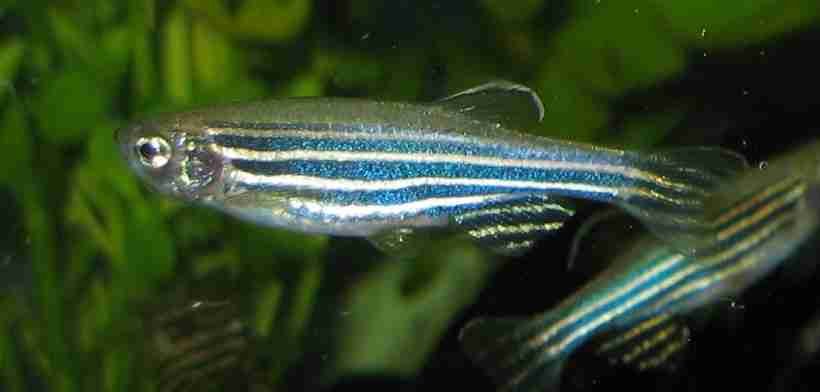
In a recent study conducted by scientists, it has been found that the life of Zebra Fish can be extended when its gut is modified. This modification has been seen to have a positive impact on the overall lifespan of Zebra Fish.
Scientists in the field of Longevity have been interested in Telemeres for a long time. Telemere’s are sequences of DNA that cap the ends of chromosomes and get shorter each time the cell divides.
As the telomeres get shorter we experience the symptoms of aging.
As an embryo develops, an enzyme called telomerase lengthens telomeres in order to let the cells divide at a higher rate (to grow into a fetus). After embryonic development, the gene for telomerase is almost completely shut off by the time we are adults. And it appears to turn back on in cancerous cells that also divide rapidly.
Scientists have studied using telomerase as an anti-aging treatment in the past. Giving mice Telomerase has reversed gray hair and improved cognitive decline and more. The fear of using this treatment in humans is the risk of causing cancer.
In the Zebrafish study, they wanted to test a more targeted telomerase treatment and see if it works.
They chose the Zebrafish because apparently, their telomeres are the same length as human telomeres whereas mice actually have much longer telomeres.
The scientists induced rapid aging in the fish by disabling the gene for telomerase which dropped the life expectancy of the fish by 70%. They compared the aging fish to fish who were given an RNA treatment that caused them to produce telomerase in the gut.
The results showed that the treated fish lived 40% longer and were healthier as they got old than the non-treated fish. The researchers were surprised to find that not only did the treatment improve the gut health of the fish when telomerase was activated in the gut. But it improved other organs in the body as well.
The next step is to study how the gut affects the rest of the body so that specific treatments can be developed to combat aging in humans.