

Welcome to the Daily Quote, the podcast designed to kickstart your day in a positive way. I'm your host Andrew McGivern and this episode is brought to you by the Great News podcast. Because good news should be heard and the link is in the show notes.
Today's quote circulates widely online, most often attributed to the Buddha but no verified Buddhist text contains these exact words.
What is verified is a closely related teaching from Buddhist tradition, which goes like this:
”You will not be punished for your anger. You will be punished by your anger.”
That older, verified version is the seed. Today's more modern expression is the flower and together, they say something that one of the greatest Buddhist teachers of the 20th century spent a lifetime trying to help the world understand. Today's quote is:
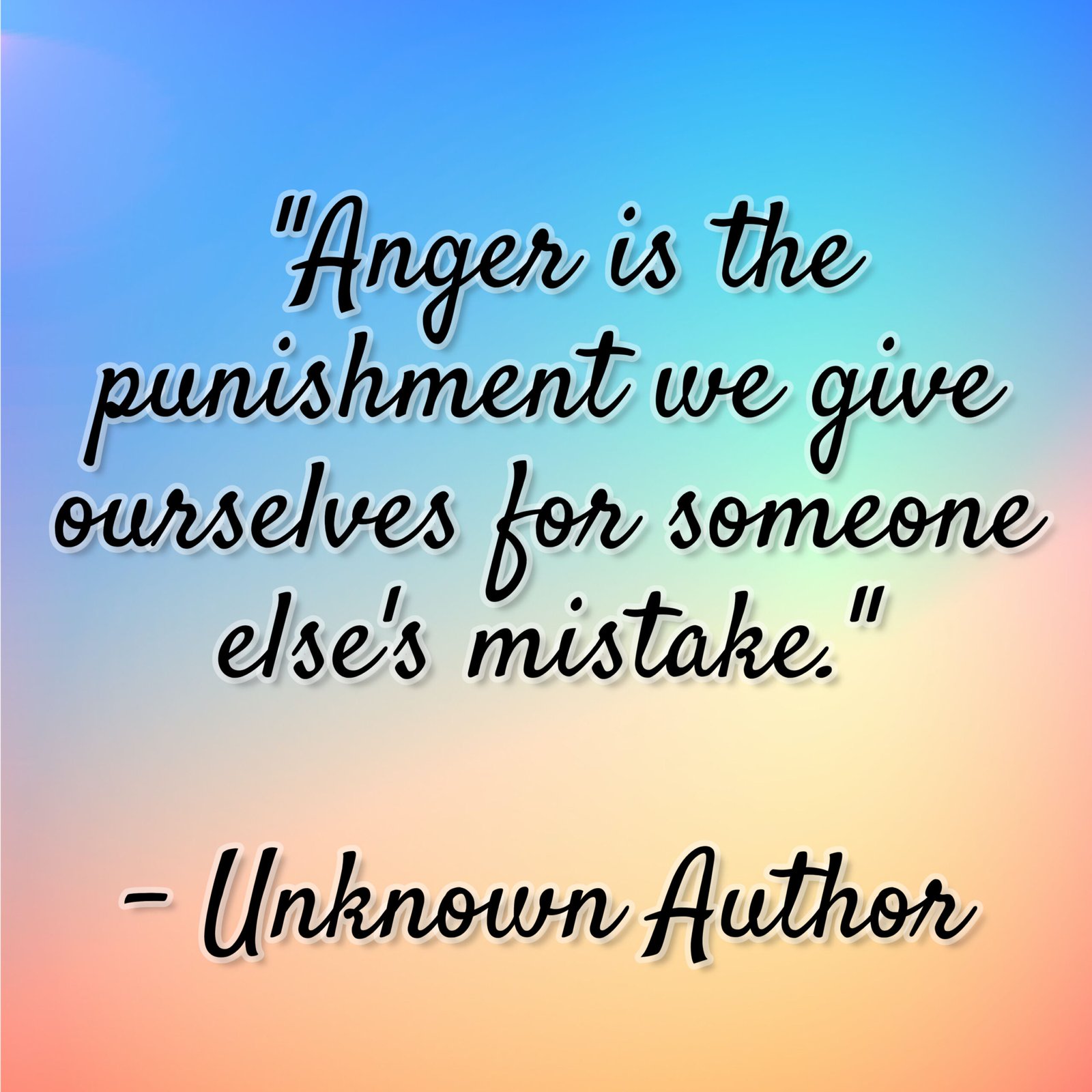
”Anger is the punishment we give ourselves for someone else's mistake.”
Thich Nhat Hanh is Vietnamese Zen monk, poet, peace activist, and the man Martin Luther King Jr. nominated for the Nobel Peace Prize. He coined the term ”engaged Buddhism,” choosing to combine the contemplative life of the monastery with direct, active compassion for those suffering in the world.
His central teaching on anger relates directly onto today's quote. When someone wrongs us, our instinct is to believe that our anger is directed at them, that it is their punishment to receive. We carry it as a weapon pointed outward. But Thich Nhat Hanh observed something that most of us spend years avoiding: the anger lives in us. It burns in us. It disturbs our sleep, poisons our peace, colours every interaction, while the person who caused it often moves through their day entirely untouched.
The punishment is not going where we're sending it. It's staying right where it started.
Think about what sustained anger actually costs the person carrying it. The mental rehearsal of old wounds. The replaying of what was said, what was done, what should have happened differently. The cortisol, the tension, the low-grade exhaustion of maintaining a grievance. None of that reaches the person who made the mistake. All of it is paid by the person holding the anger.
As he wrote:
”When we suffer, we always blame the other person for having made us suffer. We do not realize that anger is, first of all, our business. We are primarily responsible for our anger.”
Not responsible for the mistake that triggered it. Responsible for what we choose to carry forward from it. I've held anger longer than it deserved, nursed grievances that the other person had long since forgotten, carrying something heavy that was only ever weighing me down. And what I've learned is that releasing anger isn't something you do for the person who caused it. It's something you do for yourself. The letting go isn't forgiveness as a gift to them. It's freedom as a gift to yourself.
Thich Nhat Hanh understood that better than almost anyone who has ever lived. And he earned the right to say it.
So here's the question: What anger are you currently carrying for someone else's mistake that is only punishing you?
Because the verified Buddhist teaching says it plainly: you will not be punished for your anger. You will be punished by it. The modern version simply says the punishment lands on the one holding it, not the one who caused it.
Set it down. Not for them. For you.
And speaking of Tich Nhat Hanh… I read six pages of his book The Miracle of Mindfulness and just those six pages changed my life.
It was a lightbulb moment that I think I've mentioned in a previous episode. I'm pretty sure I did but I'm approaching 900 episodes now so I don't remember for sure. But if your interested I'll tell you the story. Leave a comment on this episode either through Spotify or on the blog at great news podcast or send me an email directly to andrew@podcasthero.com.
That's it for today. I'm Andrew McGivern — I'll see you in the next one with another Daily Quote.