The First Inhalable Gene Therapy for Lung Cancer
Imagine treating lung cancer not with an IV drip or a handful of pills, but with a simple breath. That future just got a little closer.
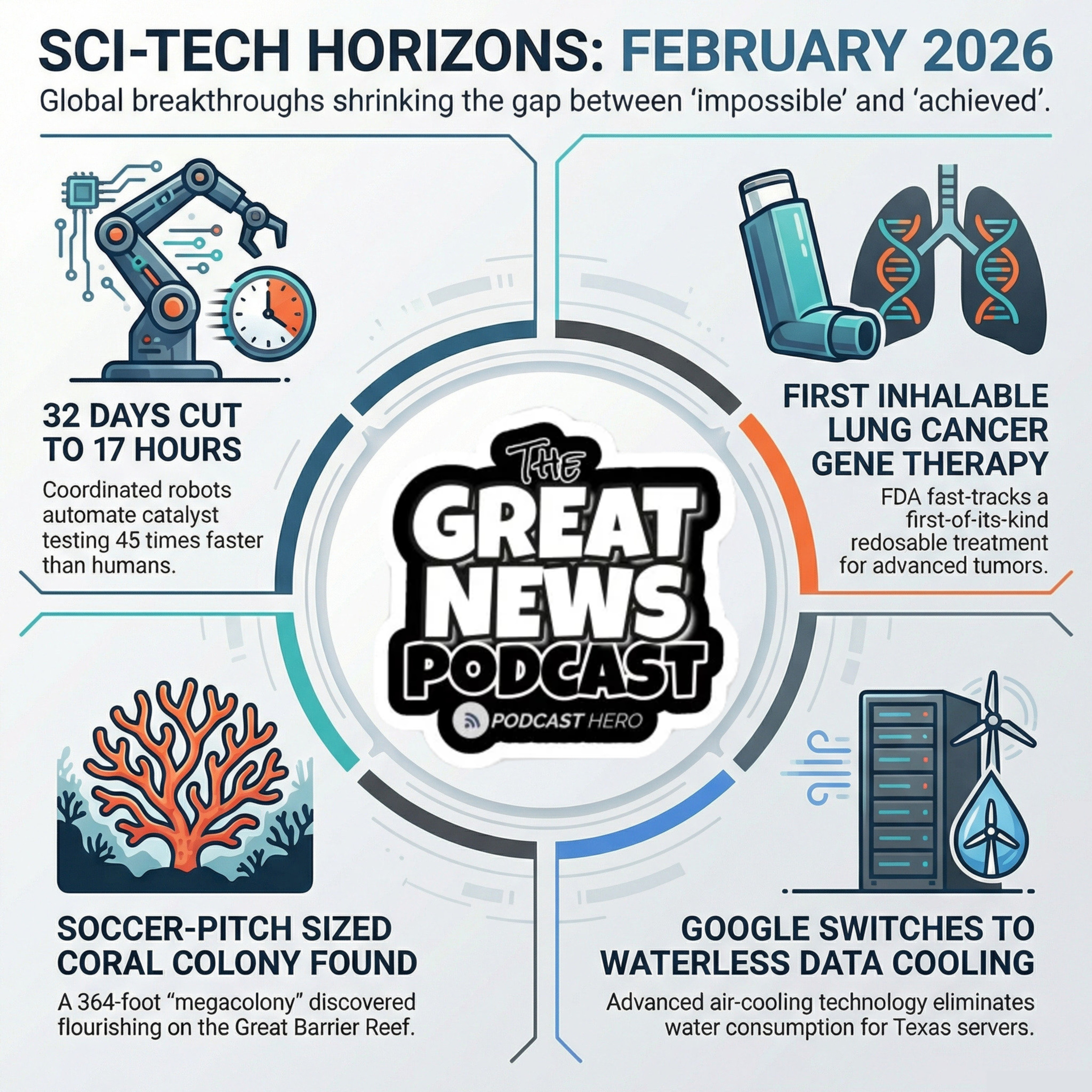
The FDA has granted Regenerative Medicine Advanced Therapy (RMAT) designation to KB707, an experimental gene therapy developed by Krystal Biotech — making it the first-ever inhalable gene therapy for cancer to receive this kind of regulatory fast-tracking. The decision, announced in February 2026, reflects both the urgent need for new lung cancer treatments and some genuinely encouraging early clinical results.
How Does It Work?
KB707 uses a modified, harmless version of the herpes simplex virus as a delivery vehicle — a well-established technique in gene therapy. The virus has been engineered to carry two immune-boosting genes into lung cells: one encoding interleukin-2 (IL-2) and another encoding interleukin-12 (IL-12). These proteins are powerful activators of the immune system’s cancer-fighting cells.
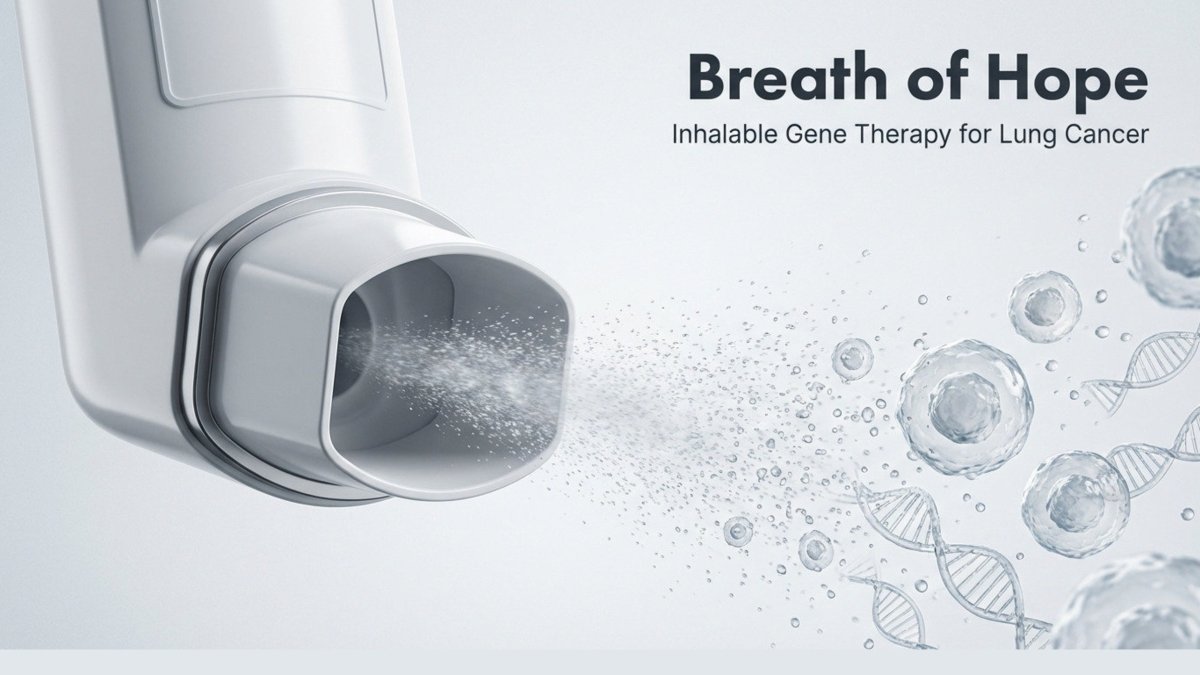
The clever part is the delivery method. Instead of injecting these immune signals into the bloodstream — where they’ve historically caused dangerous side effects like cytokine storms — KB707 is nebulized into a fine mist and inhaled directly into the lungs. The therapy goes straight to where the tumors are, concentrating immune activation right at the source while minimizing systemic effects.
What Do the Early Results Show?
In the ongoing Phase 1/2 KYANITE-1 trial, researchers tested KB707 in patients with advanced lung cancer who had already exhausted all standard treatment options — a heavily pretreated group with a median of four prior therapies. Of the 11 patients evaluated, tumors shrank in three and stopped growing in five others. No serious safety concerns were reported, and the maximum tolerated dose hadn’t even been reached yet.
“Very encouragingly, the hypothesis was confirmed — that there was actually a reduction in tumors in the lungs,” said Dr. Wen Wee Ma of the Cleveland Clinic, who presented the findings at the American Society of Clinical Oncology annual meeting.
What Does Fast-Track Status Actually Mean?
It’s worth being clear: RMAT designation is not approval. KB707 is still in early-stage clinical trials and is not yet available outside of research settings. What the designation does is accelerate the path forward — giving Krystal Biotech more frequent, intensive guidance from the FDA, eligibility for priority review, and the ability to submit a rolling application as data comes in. The bar for safety and effectiveness hasn’t been lowered; the process has just become more collaborative and efficient.
Why This Matters
Lung cancer remains one of the deadliest cancers worldwide, and for patients whose disease has progressed after multiple treatments, options are desperately limited. The ability to deliver gene therapy via inhalation — a non-invasive, localized approach that bypasses the toxic pitfalls of systemic cytokine therapy — could be genuinely transformative if larger trials confirm these early results.
Krystal Biotech is no stranger to this approach. The company previously developed the first FDA-approved gene therapy applied topically to skin, using the same modified herpes virus platform for a rare blistering skin disorder. They’re now applying similar logic to the lungs, and also have inhalable gene therapy programs in development for cystic fibrosis and alpha-1 antitrypsin deficiency.
We’re still in early days, and larger trials will be needed to confirm whether KB707 truly lives up to its promise. But for patients who have run out of options, a treatment as simple as taking a breath could one day mean everything.
KB707 is currently being evaluated in the KYANITE-1 clinical trial (NCT06228326). Patients interested in participation should speak with their oncologist.
This topic was covered in Great News podcast episode 32.

The Great News Podcast is your source for positive news, inspiring stories, and good news from around the world. We skip the doom and gloom of mainstream media to focus on scientific breakthroughs, environmental wins, and the inspiring news that proves the world is getting better. Join Andrew McGivern for a dose of optimism and uplifting stories that will change your perspective on human progress.
It is easy to find the
Keep looking for the good in the world, because it is not only there – its everywhere.
Today, we are diving into a ”fountain of youth” for the brain, a massive underwater discovery by a mother-daughter duo, and a plan to save the world's most popular fruit. Plus a new water free data center…
Can We Reprogram Our Way Out of Alzheimer's?
A Mother, a Daughter, and the World's Largest Coral Discovery
Protecting Commercial Bananas From Fungus
New AI Data Center to Use Zero Water?
And don't forget to stick around for the speed round:
Robots Are Transforming the Chemistry Lab — One Catalyst at a Time
Breathe In, Fight Back: The World's First Inhalable Gene
Therapy for Cancer Just Got Fast-Tracked
Why Your Funniest Teacher Was Probably Your Best Teacher
Source: New Scientist