

Welcome to the Daily Quote, the podcast designed to kickstart your day in a positive way. I'm your host, Andrew McGivern, and this episode is brought to you by the Great News podcast. Because great news should be heard, and the link is right here in the show notes.
Support the show ➡ Buy me a coffee
Today's quote comes from Cicero.
Marcus Tullius Cicero lived from 106 to 43 BCE. He was a Roman statesman, lawyer, philosopher, and one of the most celebrated public speakers of the ancient world. He wrote extensively about ethics, friendship, duty, and government, and his work had a lasting influence on Western philosophy and political thought.
Cicero once said:
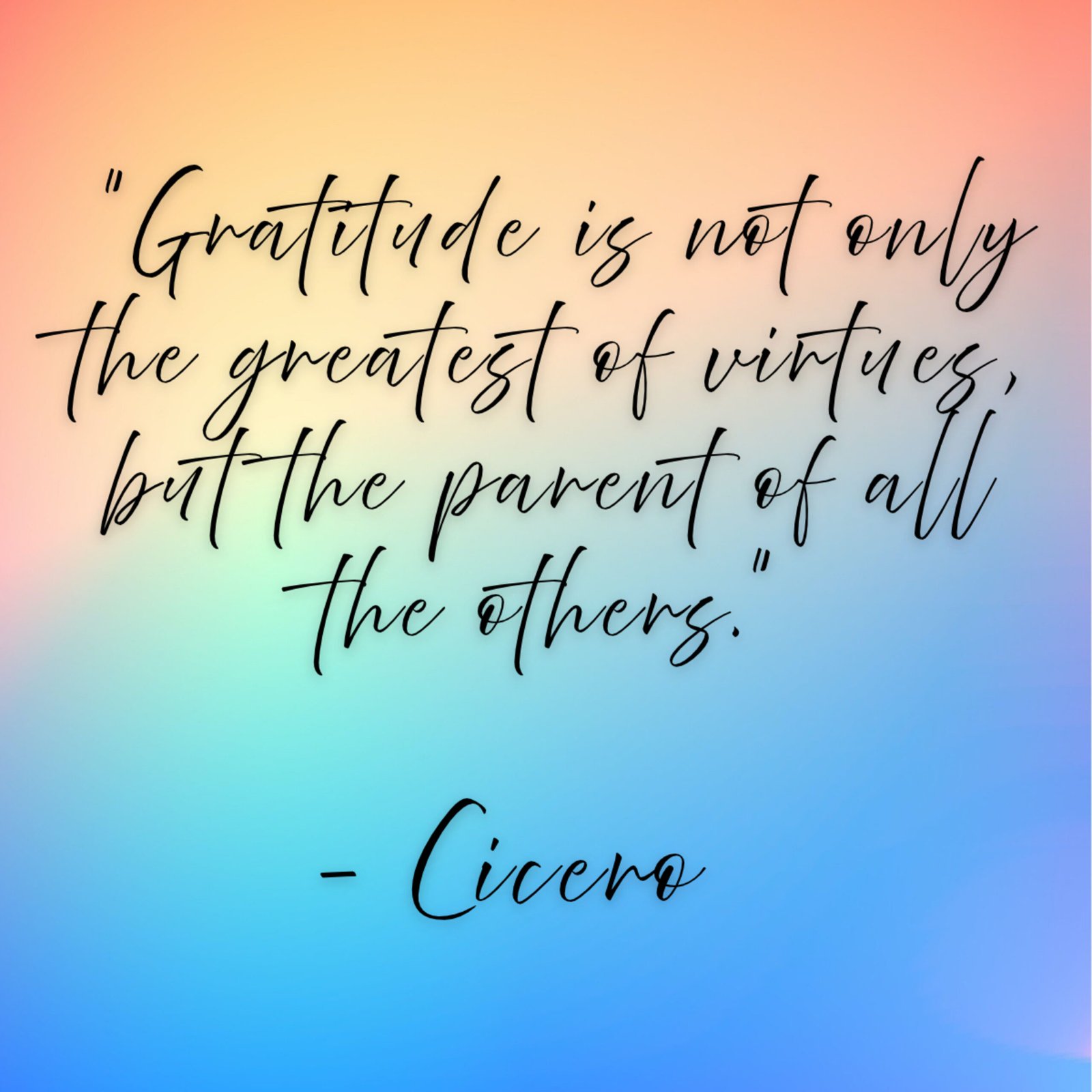
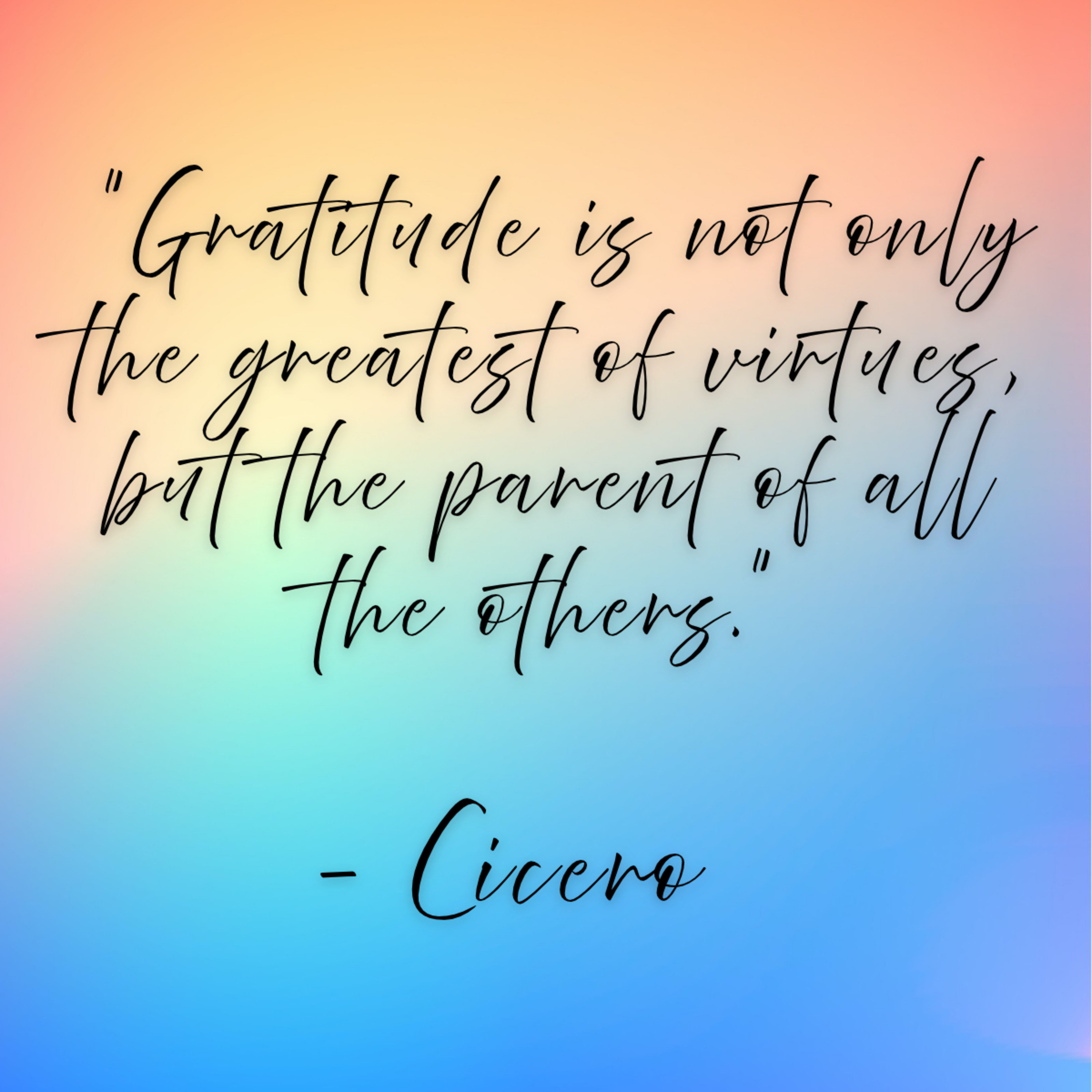
”Gratitude is not only the greatest of virtues, but the parent of all the others.”
Wow. I knew gratitude was important, but the parent of all the others? That's a pretty bold claim!
So, what did Cicero mean by that?
Well, think about what happens when we're genuinely grateful.
When we appreciate the care and sacrifices our parents have made, gratitude can inspire affection, respect, and a desire to care for them in return.
When we recognize what our friends do for us, we're more likely to return the kindness, show up when they need us, and build stronger, more meaningful relationships.
And when someone helps us, we may be inspired to pass that kindness along to someone else. Pay it forward, if you will. Gratitude can create a chain reaction of good deeds.
In other words, gratitude can give rise to generosity, loyalty, compassion, and kindness.
But there's another side to gratitude that I think is worth considering.
When we appreciate what we have, we spend less time focusing exclusively on what we lack.
Now, that doesn't mean we shouldn't want more, set goals, or strive to improve our circumstances. Ambition and gratitude are perfectly compatible.
We can want more in one area of our lives while recognizing that we already have an abundance of good things in another.
We can experience scarcity and abundance at the same time. And where we choose to focus our attention can make a big difference in how we experience life.
It also reminds us that our achievements rarely happen entirely on our own.
Think about the teachers, coaches, family members, colleagues, friends, and even strangers who've helped you along the way.
When we recognize their contributions, we become a little more humble. We realize that we don't have to do everything ourselves, and that other people's kindness and support have helped shape who we are.
And that's really what I think Cicero was getting at.
Gratitude isn't just about saying thank you. Although that's certainly a good place to start!
It's about paying attention. It's recognizing that the good things in our lives didn't all come from us alone, and then allowing that awareness to influence how we treat the people around us.
When you're genuinely grateful, you notice people. You remember who helped you. You want to return the kindness, not just feel good about receiving it.
And from that one feeling, a whole family of virtues can grow: generosity, patience, loyalty, humility, and compassion.
So here's the question:
Before the day gets busy, think of one thing (or one person) you're genuinely grateful for.
And don't just think about it. If it's a person, consider letting them know.
Make gratitude the focus of your day, rather than an afterthought.
Let's see what that does for the rest of your day.
That's going to do it for today. I'm Andrew McGivern signing off for now, but I'll be back… tomorrow! Same pod time, same pod station with another Daily Quote.