

Welcome to the Daily Quote, the podcast designed to kickstart your day in a positive way. I'm your host, Andrew McGivern, and this episode is brought to you by the Great News podcast. Because great news should be heard, and the link is right here in the show notes.
Support the show Buy me a coffee
Today’s quote comes from William Shakespeare.
William Shakespeare (1564–1616) was an English playwright, poet, and actor widely regarded as one of the greatest writers in the English language. He wrote approximately 39 plays, including Hamlet, Macbeth, and Romeo and Juliet, along with numerous sonnets and other poems. His works explore universal themes such as love, ambition, jealousy, power, human nature, and the consequences of our choices.
William Shakespeare once said…
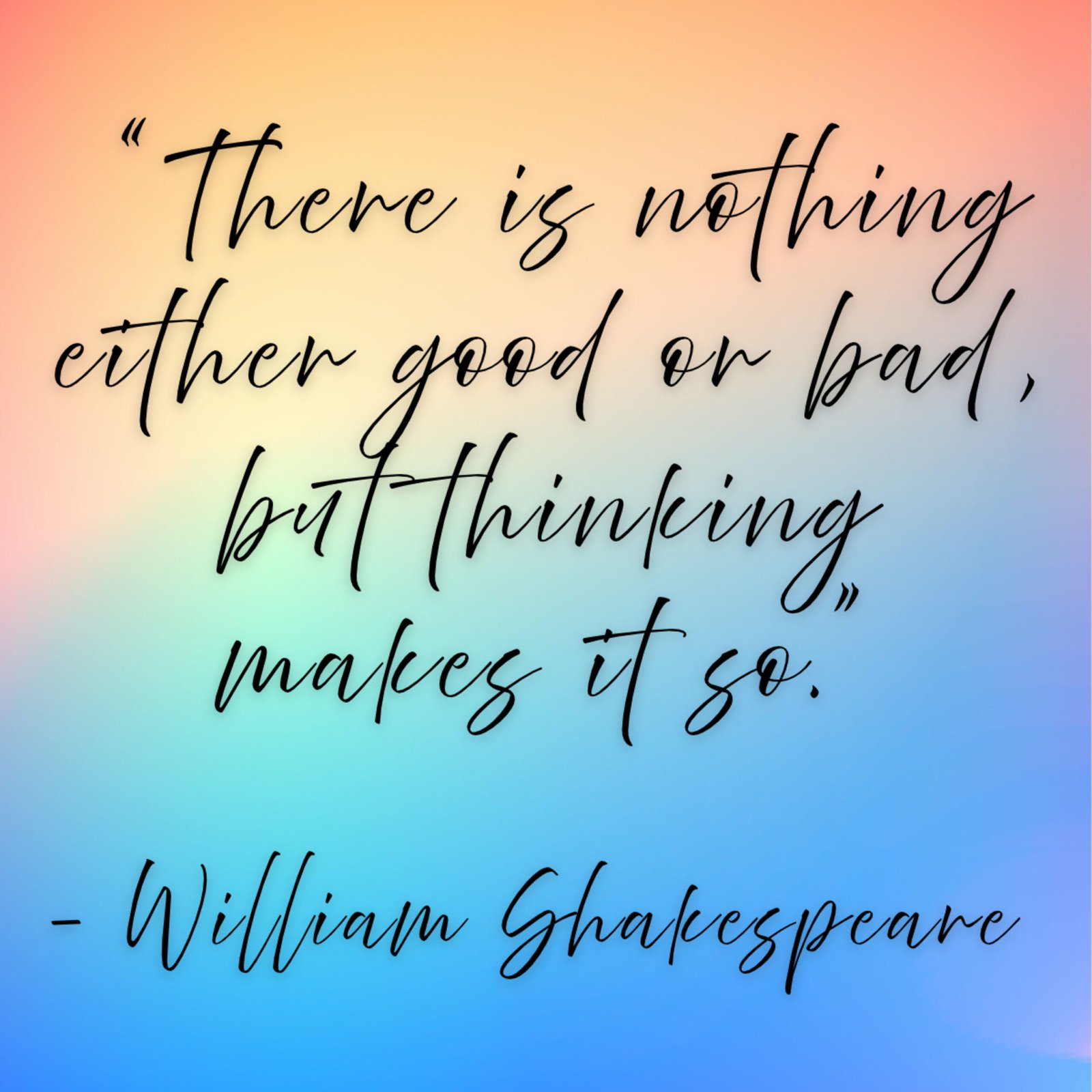
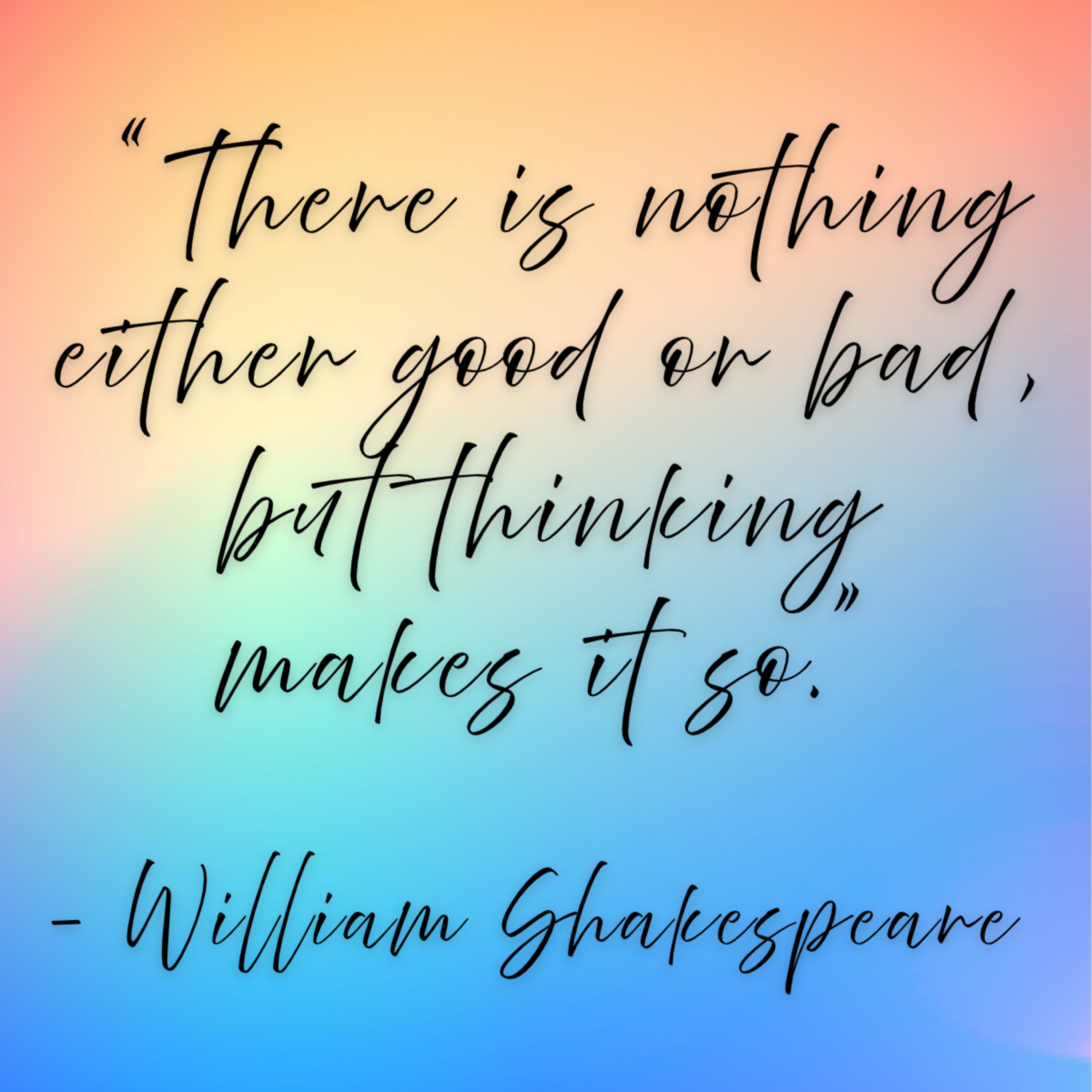
“There is nothing either good or bad, but thinking makes it so.”
This quote comes from Hamlet, Act II, Scene 2.
Prince Hamlet makes this observation while explaining why Denmark feels like a prison to him, even though his friends don’t see it that way.
This line is part of a conversation about how our own minds shape our experience of the world. Two people can experience the exact same situation and come away with completely different impressions. One might see a setback and other sees an opportunity.
Our thoughts and beliefs influence our emotions. The meaning we assign to something does affect how we feel and respond.
When something happens that we feel is bad it could be a good idea to question our first impression. Is this as bad as I’m making it out to be? Is there another way to look at it? What can I learn from this?
Of course, some things are genuinely unfair, harmful or painful. Positive thinking doesn’t make it go away. The point here is recognize where our interpretation adds unnecessary suffering and to choose a more useful response.
You probably know people in your life who hate their job. But there are others who love the exact same job. The same experience, totally different perceptions.
I was burned out in role I had be in for years. And I just didn’t want to do it anymore. But some of my colleagues loved it. And in my current job there are some people that are stressed out and completely hate it, but I don’t feel that way.
Being able to see alternative perspectives takes practice. We don’t have to believe every thought that crosses our minds or accept our initial reaction as the final word.
We can’t always choose what happens to us, but we can choose how we interpret it and decide for ourselves what to do next.
So here’s the question:
Think of a time in your life when something happened that you initially thought was a disaster but turned out to be a blessing in disguise. Did the circumstances actually change, or did your understanding, perception, reaction and adaptation do the changing? Changing our perspective is the first step in changing our experience.
That’s going to do it for today. I’m Andrew McGivern signing off for now, but I’ll be back… tomorrow! Same pod time, same pod station with another Daily Quote.