Algae that eliminates microplastic?
Scientists have engineered a remarkable strain of algae that hunts down microplastics — and it smells like oranges.
Microplastics are virtually everywhere — in rivers, lakes, drinking water, and even the fish on your plate. For years, removing them has seemed like an impossible task. Now, a researcher at the University of Missouri may have found an elegantly natural answer to a very unnatural problem.
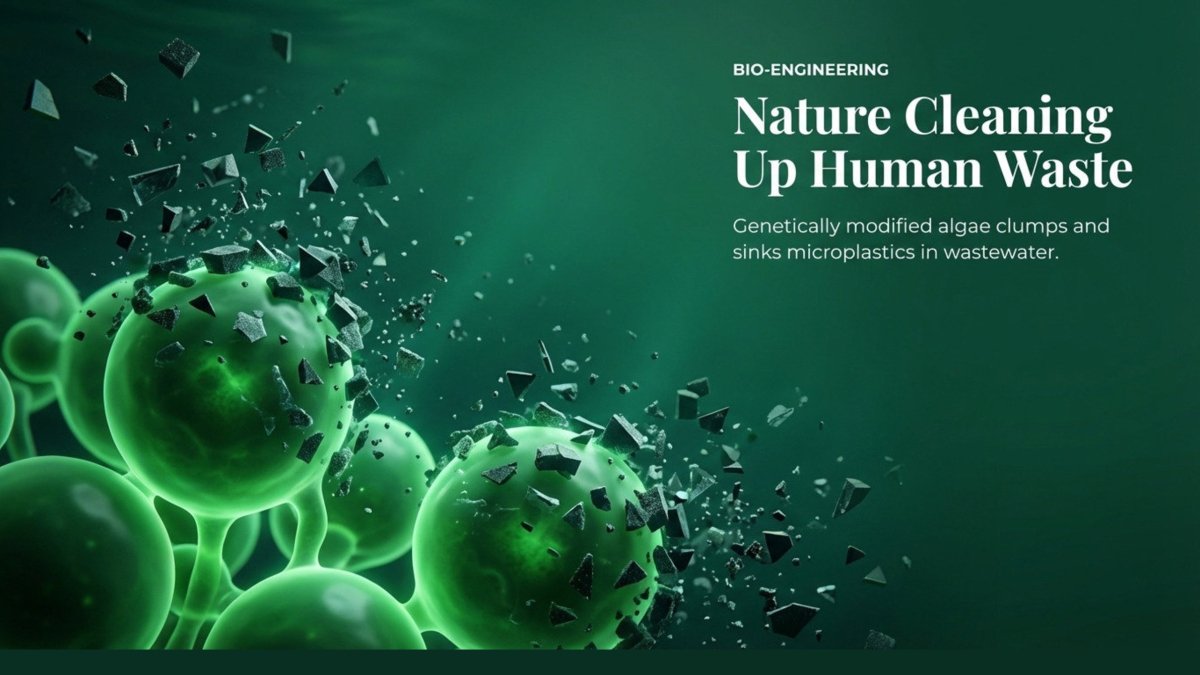
Professor Susie Dai and her team have genetically engineered a new strain of algae that actively attracts and captures microplastics from contaminated water. The innovation, published in Nature Communications, works by exploiting a surprising chemical property — and it just might transform how cities treat their water.
The Problem Slipping Through the Cracks
Modern wastewater treatment plants are effective at removing large debris and pathogens, but microplastics are a different story. Too tiny for conventional filtration to catch, they slip right through and make their way into waterways, ecosystems, and ultimately our bodies. They’ve been detected everywhere from deep ocean trenches to Arctic ice — and in tap water, bottled water, and seafood.
An Orange-Scented Solution
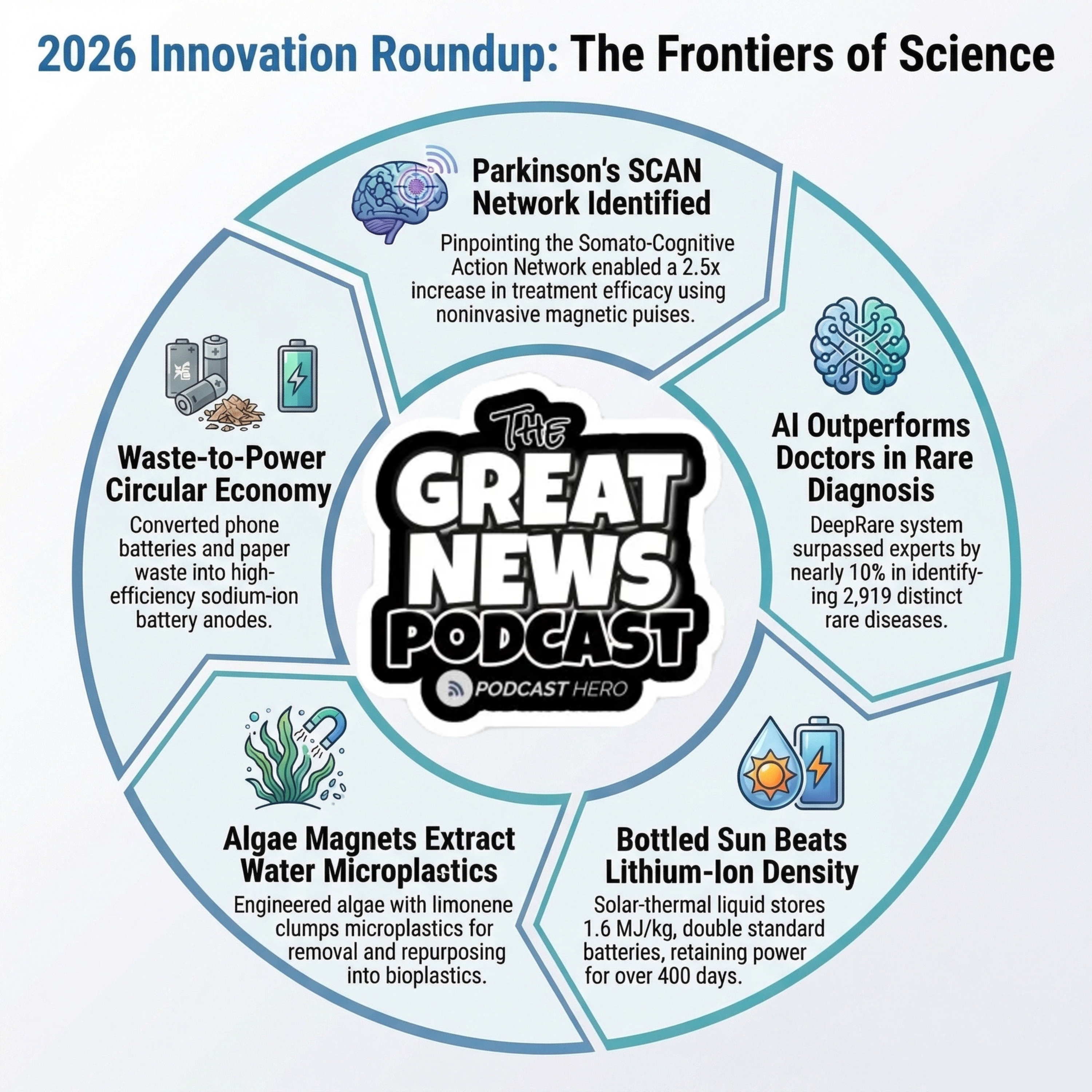
Dai’s breakthrough centers on limonene — the same compound that gives orange peels their zesty scent. By genetically engineering algae to produce limonene, she made the algae’s surface water-repellent. Since microplastics are also water-repellent, the two are drawn together like magnets when they meet in water, clumping together and sinking to the bottom where they can easily be collected.
The engineered algae can grow directly in wastewater, feeding on excess nutrients as it works — meaning it cleans the water simply by doing what algae do naturally.
“By removing the microplastics, cleaning the wastewater and eventually using the removed microplastics to create bioplastic products for good, we can tackle three issues with one approach.” — Prof. Susie Dai
Thinking Big
Dai’s lab already runs a 100-liter bioreactor nicknamed “Shrek,” and the goal is to scale the technology up for integration into existing municipal water treatment plants. Even more ambitiously, she envisions repurposing the collected microplastics into functional bioplastic products — turning pollution into a resource rather than just a problem to be stored away.
The research is still in early stages, but in a world saturated with plastic waste, a living, growing, citrus-scented solution is a genuinely hopeful sign.
Based on research from the University of Missouri, published in Nature Communications (2025).

The Great News Podcast is your source for positive news, inspiring stories, and good news from around the world. We skip the doom and gloom of mainstream media to focus on scientific breakthroughs, environmental wins, and the inspiring news that proves the world is getting better. Join Andrew McGivern for a dose of optimism and uplifting stories that will change your perspective on human progress.
It is easy to find the
Keep looking for the good in the world, because it is not only there – its everywhere.
Welcome to the Great News podcast.
Tired of all the doom and gloom news from mainstream media? You'll get none of that here! Instead, you'll find inspiring stories and developments making the world a better place.
Brought to you by the Daily Quote, the podcast designed to kickstart your day in a positive way!
Today, we are diving into a massive regulatory shift that could save millions of lives, electric semi-trucks that double as mobile supercomputers, and a way to ”bottle” sunlight for use months later.
–Unlocking Personalized Medicine
–The Data Center that Drives Itself
–The Liquid That Could Change Solar Energy Forever
–The Tiny Green Machines Cleaning Our Water
And don't forget to stick around for the speed round, where we'll dive into even more great news!
–AI Just Beat Expert Doctors at Diagnosing Rare Diseases
–A Breakthrough in Parkinson’s Research
–The Philippines Recognizes Same-Sex Property Co-Ownership
–U.S. Organ Transplants Hit New Heights for the Fifth Year in a Row
This topic was featured in Great News podcast episode 34.
Source: Futurity | University of Missouri