Scientists Zero In on the Brain Network at the Root of the Disease
For decades, Parkinson’s disease has been one of neurology’s most stubborn puzzles. Now, researchers may have found a crucial missing piece.
A new study published in Nature, led by China’s Changping Laboratory in collaboration with Washington University School of Medicine in St. Louis, has identified the specific brain network responsible for Parkinson’s core symptoms — and the findings could reshape how the disease is treated.
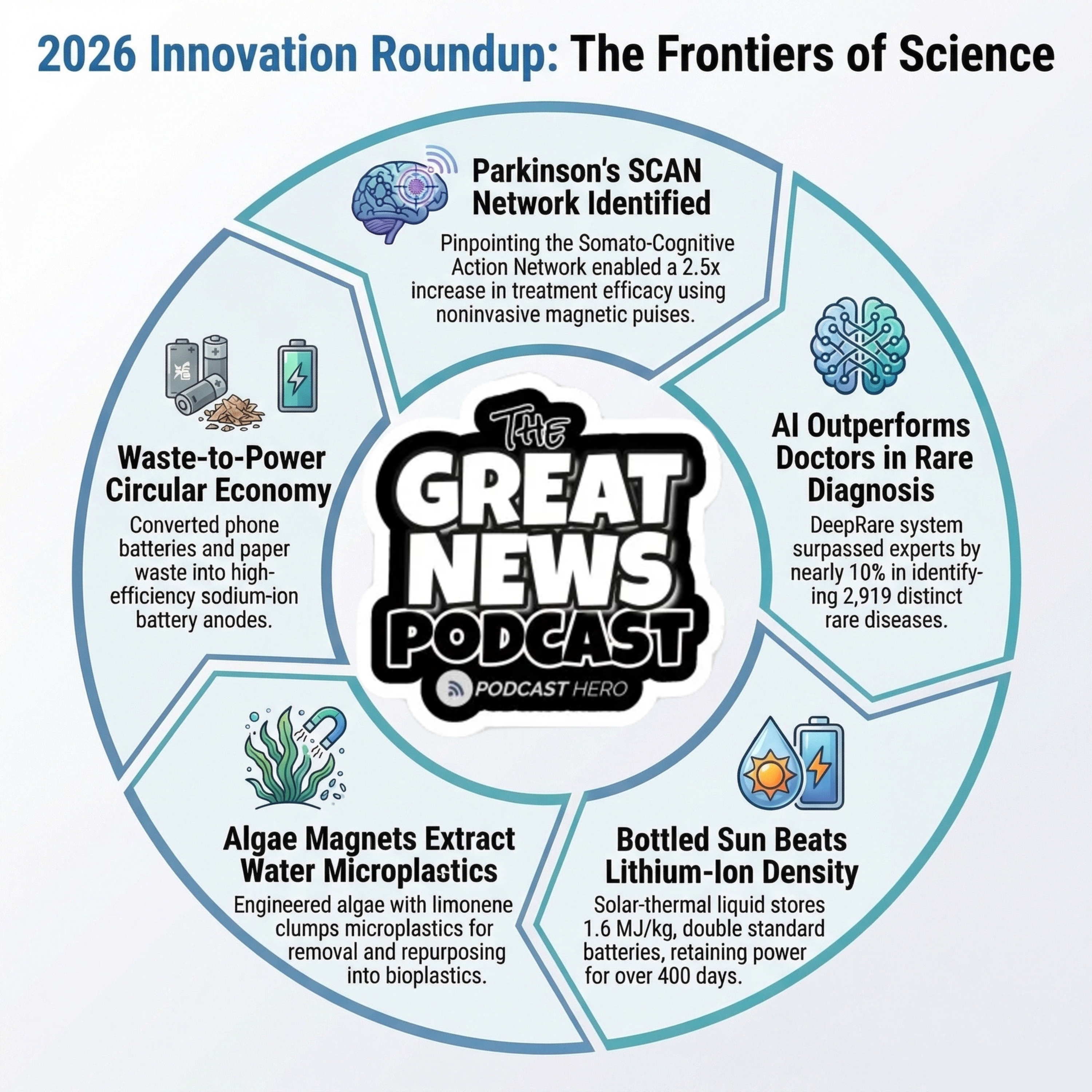
The culprit, researchers say, is a network called the somato-cognitive action network, or SCAN. First described in Nature in 2023, SCAN sits within the motor cortex and is responsible for turning action plans into movements, as well as receiving feedback on how executing those plans went. In people with Parkinson’s, SCAN becomes abnormally overconnected to the subcortex — the brain region governing emotion, memory, and motor control. This disruption doesn’t just impair movement; it also affects cognition, digestion, sleep, and motivation, helping explain why Parkinson’s symptoms are so wide-ranging.
The researchers analyzed brain imaging data from more than 800 participants across multiple institutions in the US and China, including patients on various treatments, healthy individuals, and people with other movement disorders. The pattern was clear: all four therapies studied were most effective when they reduced hyperconnectivity between SCAN and the subcortex, normalizing activity in the circuit responsible for planning and coordinating action.
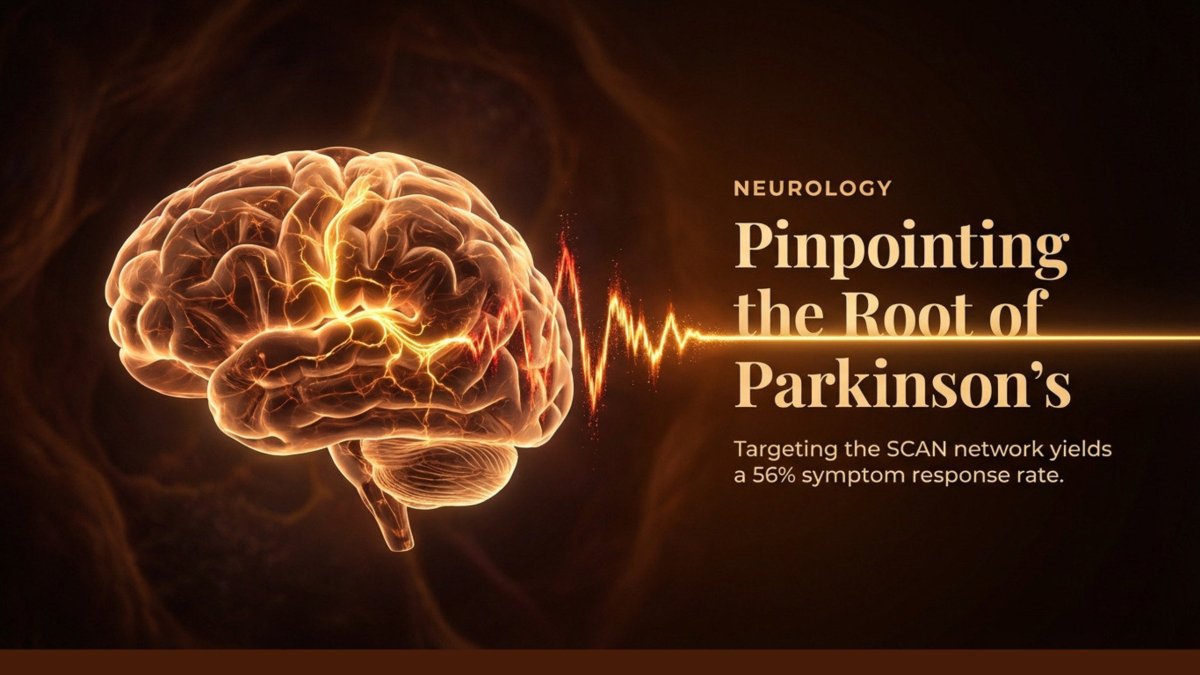
Armed with this insight, the team developed a precision treatment approach using transcranial magnetic stimulation (TMS) — a noninvasive technique that sends magnetic pulses to the brain from a device worn on the head. The results were striking: patients receiving SCAN-targeted TMS showed a 56% response rate after two weeks, compared to 22% in patients receiving stimulation at adjacent brain areas — a 2.5-fold increase in efficacy.
The implications go beyond symptom management. Because TMS doesn’t require surgery, treatment with neuromodulation could potentially begin much earlier than is currently done with deep brain stimulation, the invasive standard of care today. Researchers are also exploring whether targeting SCAN could slow or even reverse disease progression, not just mask its effects.
Parkinson’s affects over 10 million people worldwide. This discovery won’t cure it overnight — but pinpointing the network at its core is a genuine turning point, opening the door to a new era of precise, noninvasive, and potentially earlier intervention.
This topic was featured in Great News podcast episode 34.

The Great News Podcast is your source for positive news, inspiring stories, and good news from around the world. We skip the doom and gloom of mainstream media to focus on scientific breakthroughs, environmental wins, and the inspiring news that proves the world is getting better. Join Andrew McGivern for a dose of optimism and uplifting stories that will change your perspective on human progress.
It is easy to find the
Keep looking for the good in the world, because it is not only there – its everywhere.
Welcome to the Great News podcast.
Tired of all the doom and gloom news from mainstream media? You'll get none of that here! Instead, you'll find inspiring stories and developments making the world a better place.
Brought to you by the Daily Quote, the podcast designed to kickstart your day in a positive way!
Today, we are diving into a massive regulatory shift that could save millions of lives, electric semi-trucks that double as mobile supercomputers, and a way to ”bottle” sunlight for use months later.
–Unlocking Personalized Medicine
–The Data Center that Drives Itself
–The Liquid That Could Change Solar Energy Forever
–The Tiny Green Machines Cleaning Our Water
And don't forget to stick around for the speed round, where we'll dive into even more great news!
–AI Just Beat Expert Doctors at Diagnosing Rare Diseases
–A Breakthrough in Parkinson’s Research
–The Philippines Recognizes Same-Sex Property Co-Ownership
–U.S. Organ Transplants Hit New Heights for the Fifth Year in a Row
Source: Futurity