A Needle-Thin Marvel:
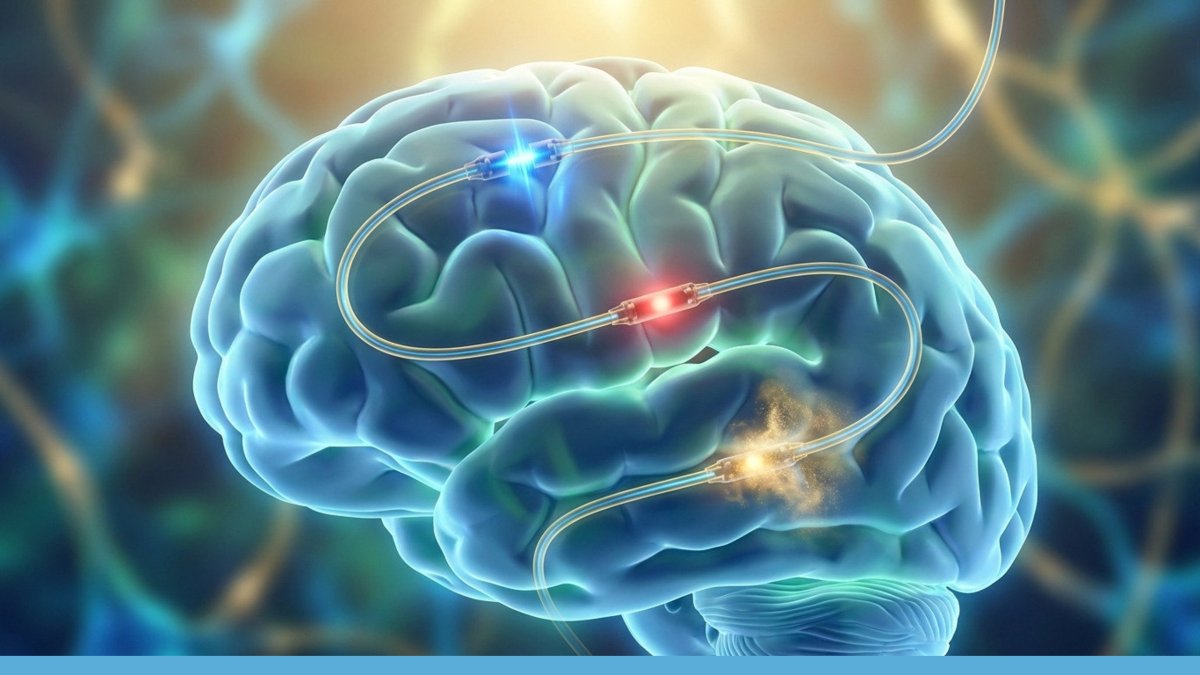
Ever wondered how scientists get a peek into the complex world of our brains? It’s a tough job, but a new needle-thin, flexible brain implant called the microfluidic Axialtrode (mAxialtrode) is set to transform how we study and even treat brain conditions!
Developed by researchers from DTU, the University of Copenhagen, and University College London, this isn’t your average brain implant. What makes it so special? Instead of just interacting with one spot, this super-thin electrode has contact points all along its length. This means scientists can simultaneously record neural signals AND deliver medication with incredible precision to different brain regions.
Think about it: many brain processes, like those involved in memory or decision-making, spread across various layers of tissue. Traditional tools often only look at one location at a time. But with the mAxialtrode, researchers can investigate how signals travel through these layers, which could be a game-changer for understanding conditions like epilepsy.
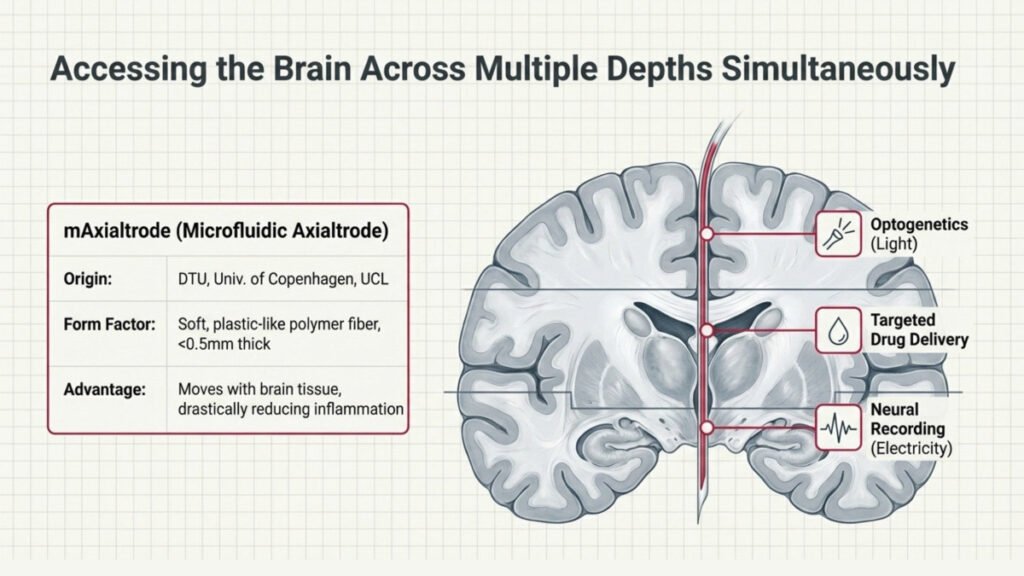
Beyond basic research, the potential medical applications are huge! Imagine combining targeted drug delivery with electrical or light-based stimulation, all through a single, tiny implant. This could lead to more effective treatments with less invasive procedures.
One of the coolest things about this implant is its design. Unlike many current brain implants made from hard materials that can irritate the brain, the mAxialtrode is made of soft, plastic-like optical fibers. It’s so flexible that it moves with the brain, reducing damage and inflammatory reactions. Plus, it’s less than half a millimeter thick!
While it’s still early days and extensive testing is needed before clinical use, this needle-thin marvel is a significant step forward. It’s a testament to human ingenuity, bringing us closer to unlocking the brain’s mysteries and developing innovative treatments for neurological disorders. Pretty mind-blowing, right?
This topic is featured in Great News podcast episode 39.

The Great News Podcast is your source for positive news, inspiring stories, and good news from around the world. We skip the doom and gloom of mainstream media to focus on scientific breakthroughs, environmental wins, and the inspiring news that proves the world is getting better. Join Andrew McGivern for a dose of optimism and uplifting stories that will change your perspective on human progress.
It is easy to find the
Keep looking for the good in the world, because it is not only there – its everywhere.
The Great News podcast is brought to you by the Daily Quote.
Today, a discovery that could turn our oceans into a source of clean, green fuel. That's our lead story today.
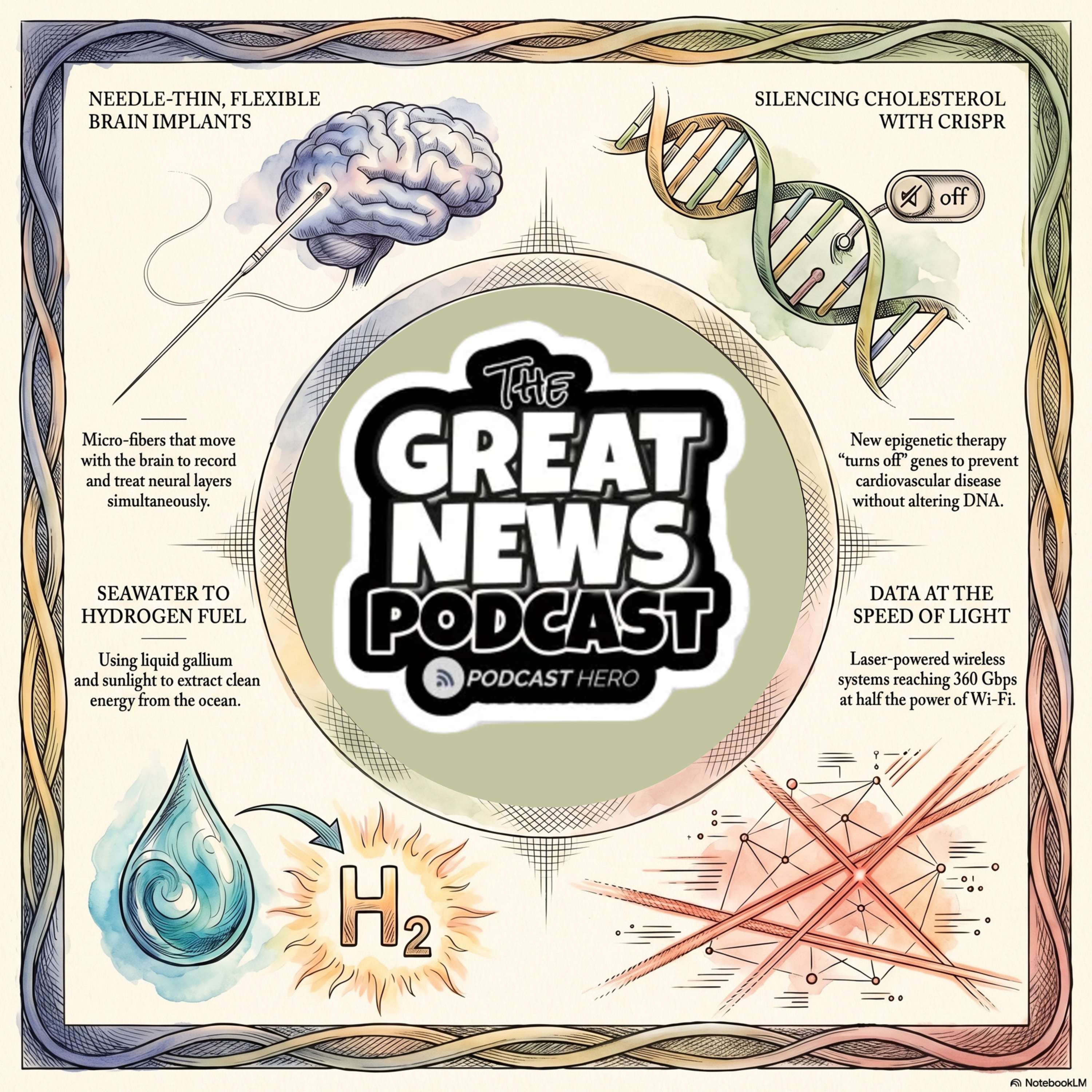
Plus, we’ll look at a ”molecular staple” for hard-to-treat cancers, a way to silence cholesterol without permanently altering your DNA, and a wireless system that’s twice as efficient as Wi-Fi.
Turning Sunlight and Seawater into Hydrogen
How Stapled Peptides Could Change Cancer Treatment
How Laser Tech Is Rewriting the Rules of WirelessAnd don’t forget to stick around for the speed round where we’ll celebrate a historic victory against an ancient disease.Chile Eliminates Leprosy
Revolutionizing Brain Research and Treatment!
How CAR T Therapy Is Learning to Fight Cancer Smarter
If you like the Great News Podcast, you will love the Great News Letter. Because the Great News Podcast is Great but the Great News Letter is Greater!
The Great News Letter is an email newsletter that you can subscribe to for FREE and get all the good news delivered to your email inbox.
For this episode we got some feedback from Brian de V. You can leave feedback for the show too by going to greatnewspodcast.com/feedback.
Or if you listen in Spotify – leave a comment right there as you listen.
Until next time… and there will be a next time.
Keep looking for the good in the world because no only is it there, its everywhere!
Source: