Blowing Up Cancer’s Defenses — Literally
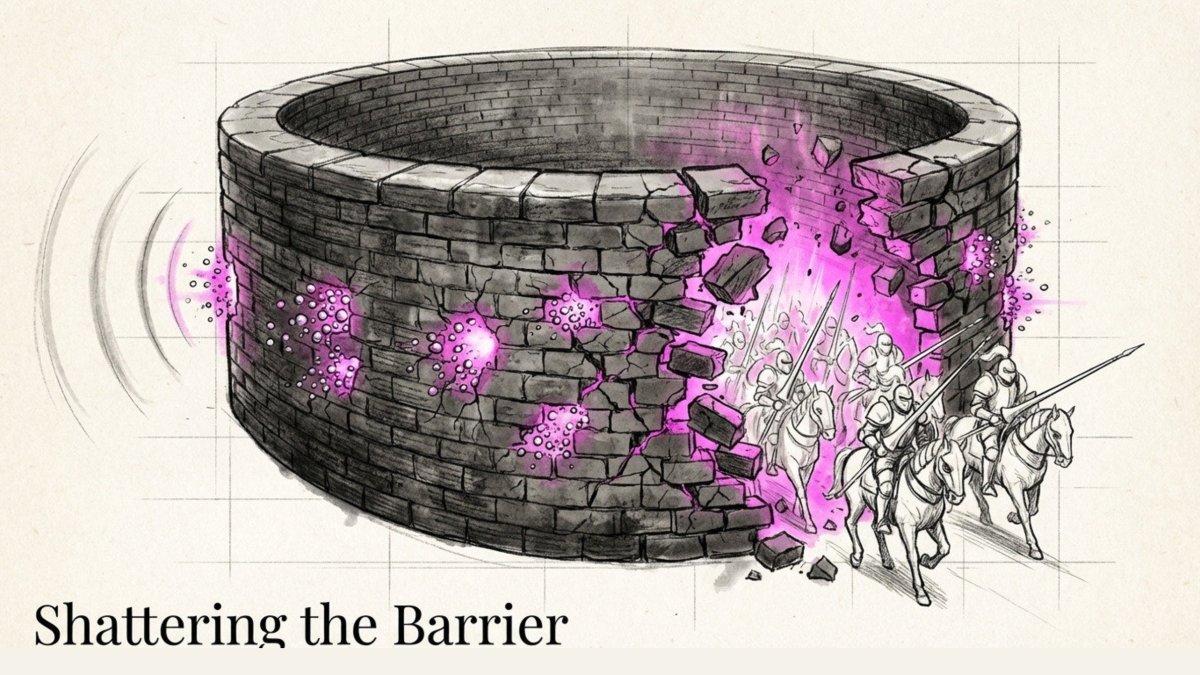
One of the most frustrating problems in cancer treatment has nothing to do with the drugs themselves. Many immunotherapy drugs are remarkably well-designed — the real obstacle is that they never actually reach their target. Solid tumors wrap themselves in a thick, rigid protein barrier that physically blocks drugs and immune cells from getting through. It’s like having the right key but no way to get to the lock.
A new study published in ACS Nano out of Case Western Reserve University has proposed a surprisingly blunt solution: just break down the wall.
Tiny Bubbles, Big Impact
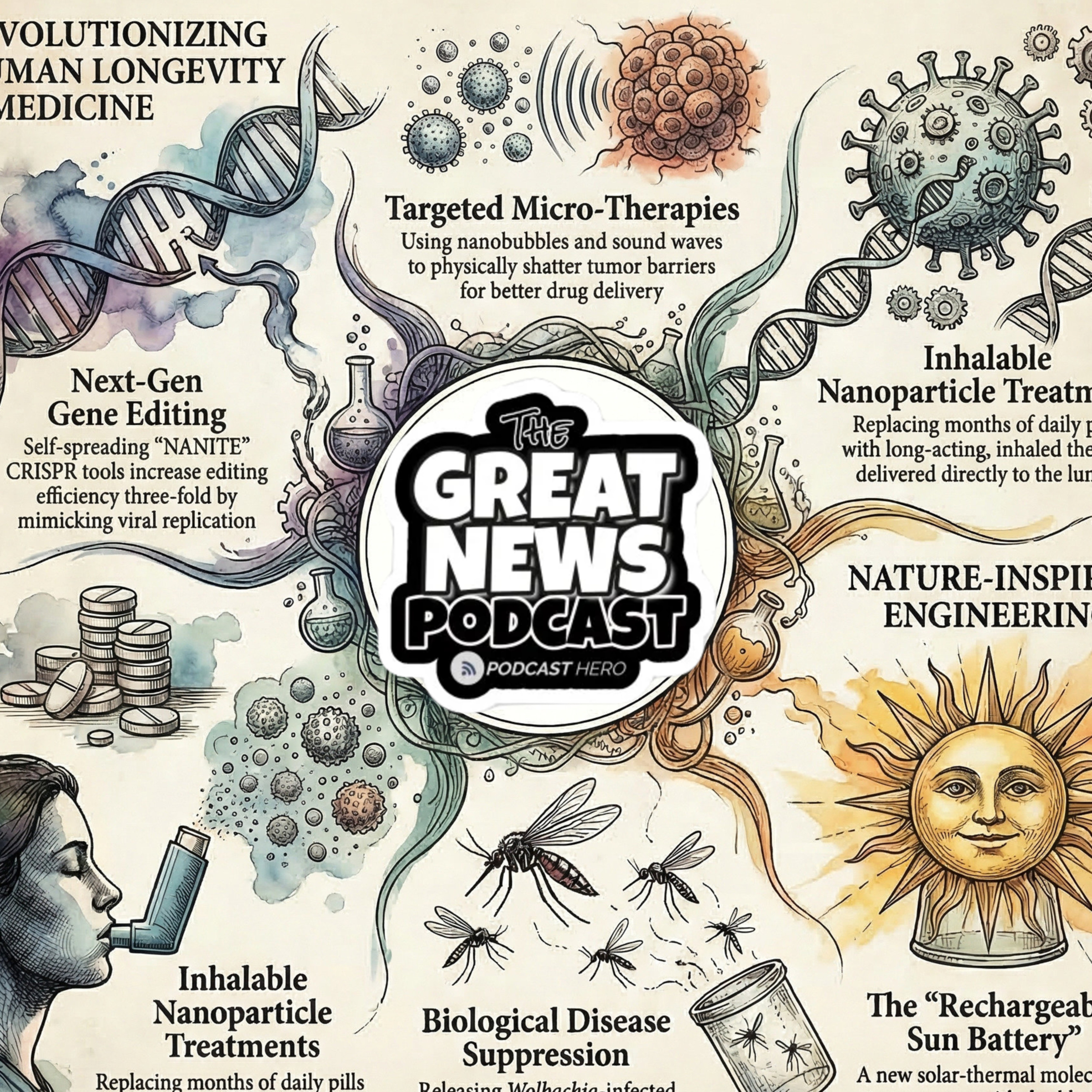
Researchers injected microscopic gas bubbles — called nanobubbles — into breast cancer tumors in mice, then applied therapeutic ultrasound. The sound waves caused the bubbles to collapse violently, sending shock waves through the tumor that shredded its dense protein barrier from the inside.
The results were striking. Tumor stiffness dropped to roughly one-third of its original level after just a single session, and the tumors remained significantly softer five days later. Untreated tumors, by contrast, kept getting harder.
What makes nanobubbles particularly well-suited for this job is their size. A few hundred times thinner than a human hair, their soft, flexible shells allow them to squeeze into spaces that larger bubbles can’t reach — spreading throughout the entire tumor mass, including the tough outer edges where drugs typically stall out. s
A Two-for-One Breakthrough
Once the barrier came down, the immune system — and the drugs meant to help it — could finally do their jobs. Six times more T cells flooded into the tumor after treatment, and cancer drugs delivered afterward penetrated those T cells at three times the normal rate.
That combination is what makes this research stand out. Most immunotherapy work focuses on solving one problem at a time — either getting more immune cells into a tumor, or getting drugs to work better once they’re there. This approach tackled both at once.
After multiple rounds of treatment, the suppressor cells that tumors use to keep the immune system at bay were reduced more than tenfold, while aggressive immune cells that actively target cancer increased more than ninefold. Even the lymph nodes showed signs of activation, suggesting the immune response was spreading beyond the tumor itself.
A Platform, Not Just a Therapy
Perhaps the most exciting aspect of this research is its versatility. Because nanobubbles work independently of any specific drug, the approach could potentially be paired with a wide range of existing therapies — from checkpoint inhibitors and cancer vaccines to RNA-based treatments. After doing their job, the bubbles disappear: the gas is exhaled, the shell breaks down naturally.
It’s a reminder that sometimes the smartest move in medicine isn’t building a more sophisticated weapon — it’s removing the obstacle that’s been standing in the way all along.
This topic was featured in Great News podcast episode 36.

The Great News Podcast is your source for positive news, inspiring stories, and good news from around the world. We skip the doom and gloom of mainstream media to focus on scientific breakthroughs, environmental wins, and the inspiring news that proves the world is getting better. Join Andrew McGivern for a dose of optimism and uplifting stories that will change your perspective on human progress.
It is easy to find the
Keep looking for the good in the world, because it is not only there – its everywhere.
This episode is brought to you by the Daily Quote. The podcast designed to kickstart your day in a positive way.
Today, we are diving into some truly groundbreaking advancements in medicine, biotechnology, and sustainable energy. What if a gene editor could replicate and spread like a virus to ensure it reaches every cell that needs a cure? That is our lead story today.
Plus, we have a ”rechargeable sun battery” that outperforms lithium-ion, tiny bubbles that shatter cancer’s defenses, and a city-wide success story in wiping out Dengue fever.
CRISPR Gene Editor Replicates and Spreads Like a Virus
New Sun Battery Beats Lithium-Ion
Bubbles and Ultrasound Break Soften Tumour Walls for Better Treatment
And don’t forget to stick around for the speed round, where we’ll dive into even more great news.Prime C Shows Striking Survival Benefit in ALS Clinical Trial
Inhalable Treatment Could Replace Months of Pills for TB
Could a “Longevity Protein” Slow How We Age?An Inflammation Suppressor Decreases Mortality
Turning Our Own DNA Against Cancer
Until next time, keep looking for the good in the world, because it’s not only there—it’s everywhere.
Source: StudyFinds