We’ve always known that exercise is good for us. But a new study is adding a fascinating layer of detail to that story — one that plays out not in our muscles or lungs, but in our DNA.
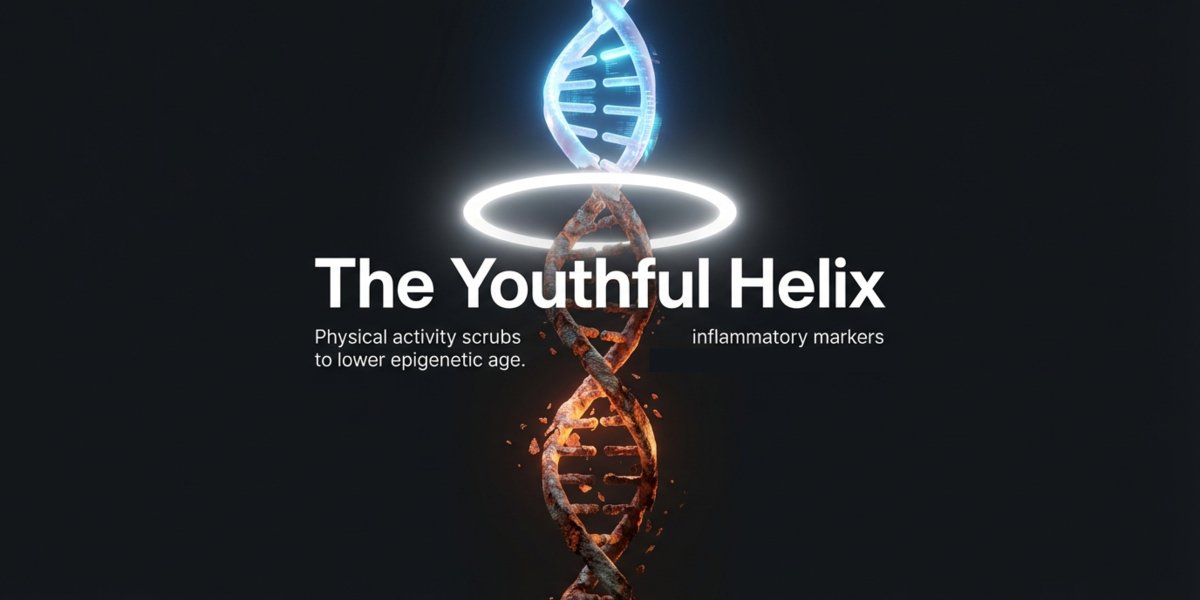
Exercise and physical fitness has been shown to reduce the predicted biological age generated by various epigenetic clocks. These clocks work by measuring patterns of DNA methylation — chemical tags on our genes that shift predictably as we age — and use them to estimate how old our bodies actually are on a biological level, independent of our birth certificates. A new study of 936 participants in the U.S. population takes this a step further by asking why exercise has this effect, and points to a compelling culprit: inflammation.
β2-microglobulin (β2M) is elevated in states of chronic inflammation and is implicated in immune senescence. Elevated levels are detected in the plasma and cerebrospinal fluid of aged mice and older adults. Think of β2M as a molecular alarm bell — when it’s ringing loudly and constantly, it’s a sign that the immune system is in a state of smoldering, low-grade overdrive. That kind of chronic inflammation, sometimes called “inflammaging,” is one of the more insidious features of getting older, quietly degrading tissue and accelerating disease.
The study’s key finding is that exercise appears to quiet that alarm. Increased physical activity was significantly associated with lower β2M levels, and mediation analysis revealed that reductions in β2M explained 37.67% of the association between physical activity and biological age. In other words, more than a third of exercise’s anti-aging benefit on epigenetic clocks can be attributed specifically to its ability to tamp down inflammatory signaling.
But that still leaves nearly two-thirds of the effect unexplained — which is, if anything, the more intriguing part. The direct effect of physical activity on biological age remained significant even after accounting for β2M, suggesting additional pathways through which exercise exerts anti-aging effects, such as epigenetic regulation or mitochondrial function.
The practical takeaway is both simple and profound: regular physical activity doesn’t just make you feel younger — it appears to make you biologically younger, through multiple mechanisms we’re only beginning to map. For a field that sometimes gets lost in the complexity of longevity science, this is a reassuring reminder that one of the most powerful tools we have is also one of the oldest. You don’t need a pill or a clinical trial. You just need to move.
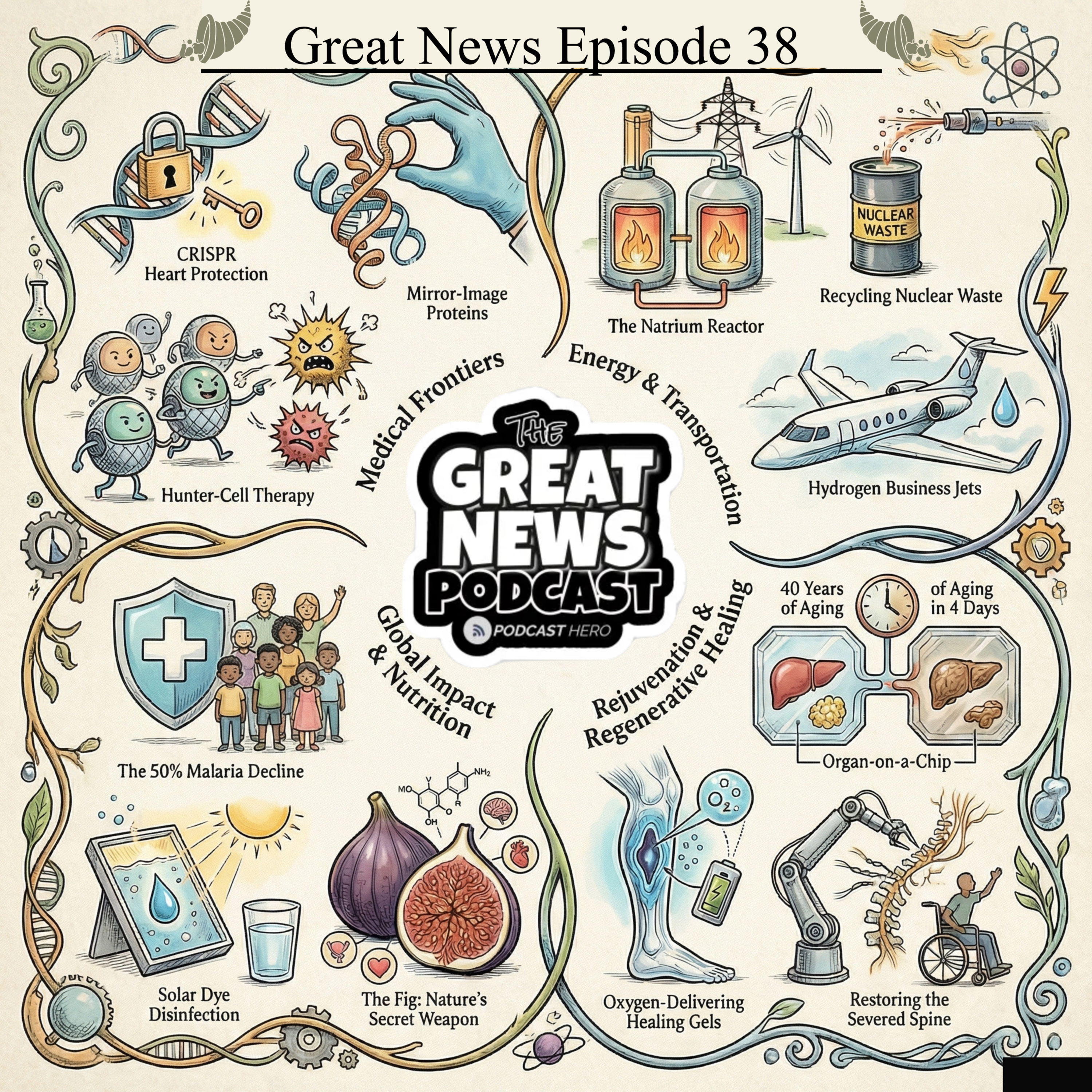
This topic was featured on Great News podcast episode 29:

The Great News Podcast is your source for positive news, inspiring stories, and good news from around the world. We skip the doom and gloom of mainstream media to focus on scientific breakthroughs, environmental wins, and the inspiring news that proves the world is getting better. Join Andrew McGivern for a dose of optimism and uplifting stories that will change your perspective on human progress.
It is easy to find the
Keep looking for the good in the world, because it is not only there – its everywhere.
Today, we are diving into some truly groundbreaking advancements in medicine and brain health.
A New Brain Probe Could Transform Neurosurgery
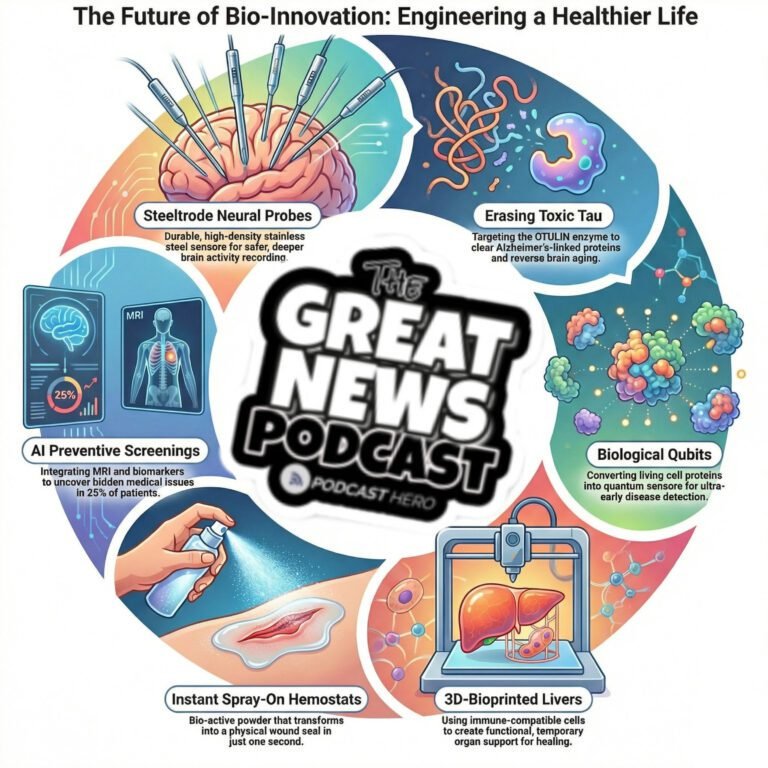
What if we could 3D-bioprint a functioning human liver to buy a patient enough time to heal without a full transplant? That is our lead story today.
Plus, we have a spray-on powder that can seal life-threatening wounds in just one second, a new type of stainless steel probe that makes brain sensing safer and cheaper than ever before.
And don't forget to stick around for the speed round, where we’ll dive into even more great news.
LINKS:
Source: Fight Aging!