Moving towards a circular economy in battery recycling
Every year, millions of smartphones are upgraded and tossed aside — and with them, billions of old lithium batteries that typically end up in landfills or incinerators. But a team of researchers from Shenyang Agricultural University in China may have found a much better use for them.
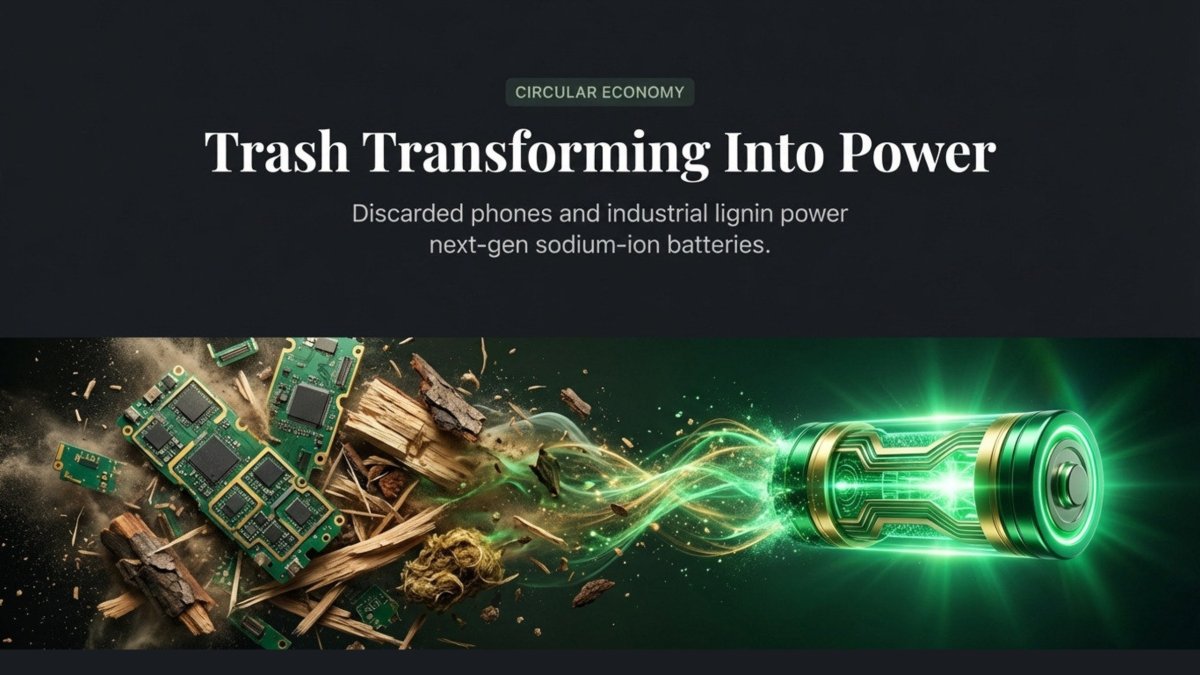
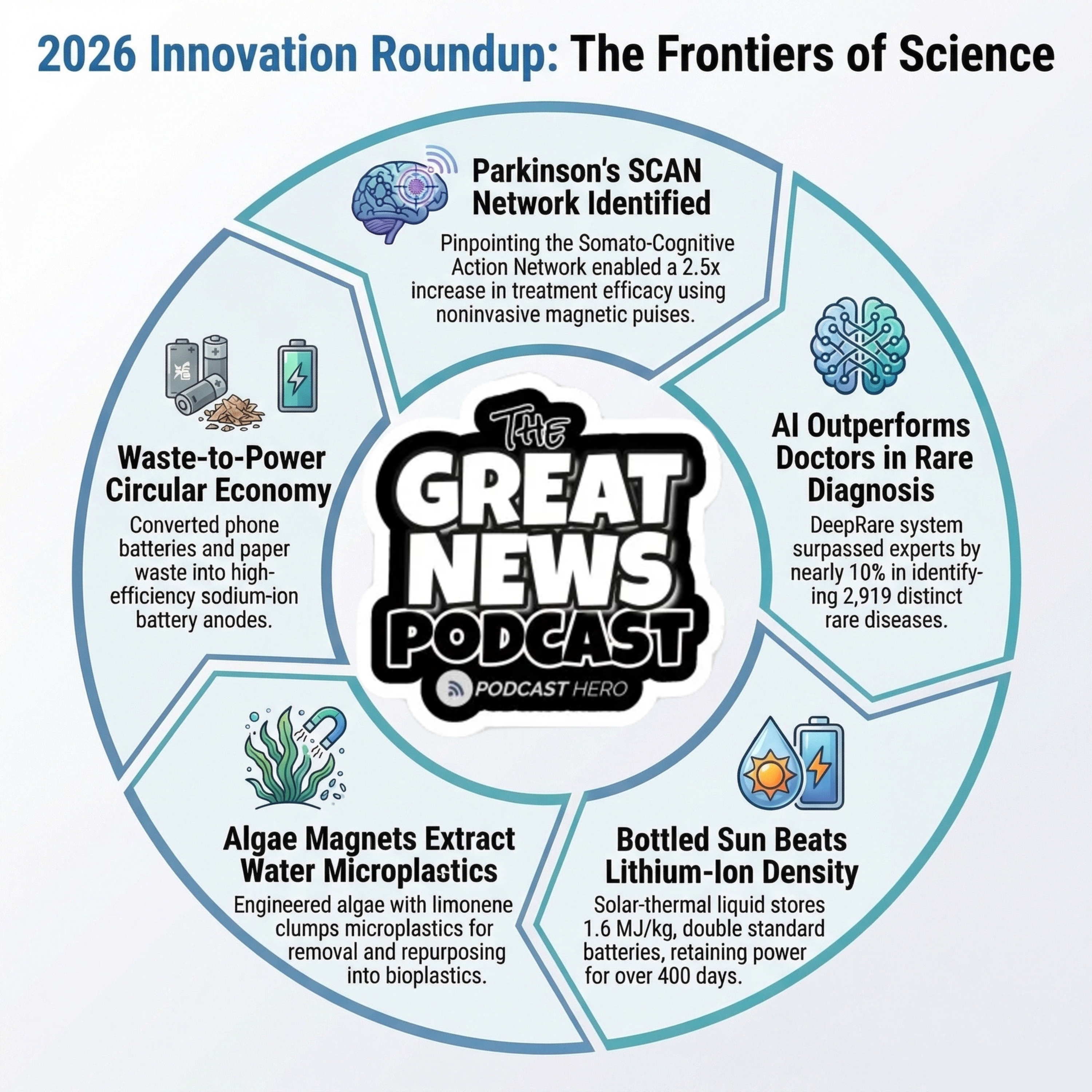
Their new method takes discarded mobile phone batteries and combines them with lignin — a byproduct of the paper and biofuel industries — to create a high-performance electrode material for sodium-ion batteries. It’s a circular economy win on two fronts: tackling e-waste and giving industrial waste a meaningful second life simultaneously.
The process uses hydrothermal synthesis to extract nickel and cobalt from old batteries, then fuses these metals with carbon derived from lignin. The result is a composite material that punches well above its weight. During lab testing, the electrode achieved an initial discharge capacity exceeding 1,000 milliampere hours per gram — and crucially, it held up even under high power demands.
So why does this matter beyond the clever recycling angle? Sodium-ion batteries have long been seen as a promising alternative to lithium-ion technology. Sodium is far more abundant and cheaper than lithium, making it an attractive option for large-scale energy storage in electric vehicles and power grids. The main sticking point has always been finding efficient electrode materials — and this research takes a direct swing at that problem.
The study, published in the journal BiocharX, still has some distance to cover before it becomes commercially viable. Scaling the process from a lab setting to industrial production is never straightforward. But if it gets there, the implications are significant: cheaper batteries built from waste materials, less e-waste polluting the environment, and a more sustainable supply chain for the clean energy transition.
It’s a reminder that some of the most promising solutions to tomorrow’s energy problems might already be sitting in your junk drawer.
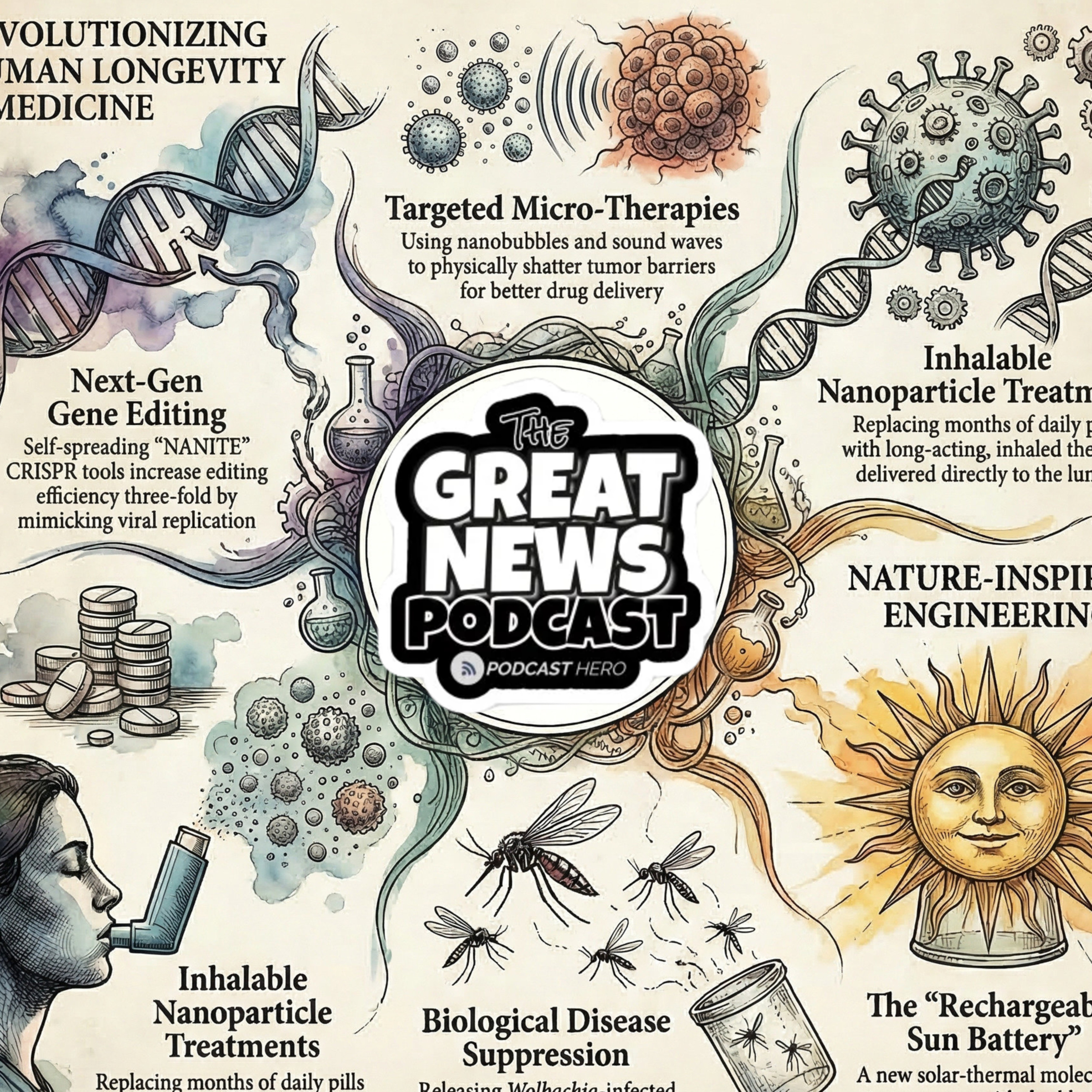
This topic was featured in Great News podcast episode 34.

The Great News Podcast is your source for positive news, inspiring stories, and good news from around the world. We skip the doom and gloom of mainstream media to focus on scientific breakthroughs, environmental wins, and the inspiring news that proves the world is getting better. Join Andrew McGivern for a dose of optimism and uplifting stories that will change your perspective on human progress.
It is easy to find the
Keep looking for the good in the world, because it is not only there – its everywhere.
Welcome to the Great News podcast.
Tired of all the doom and gloom news from mainstream media? You'll get none of that here! Instead, you'll find inspiring stories and developments making the world a better place.
Brought to you by the Daily Quote, the podcast designed to kickstart your day in a positive way!
Today, we are diving into a massive regulatory shift that could save millions of lives, electric semi-trucks that double as mobile supercomputers, and a way to ”bottle” sunlight for use months later.
–Unlocking Personalized Medicine
–The Data Center that Drives Itself
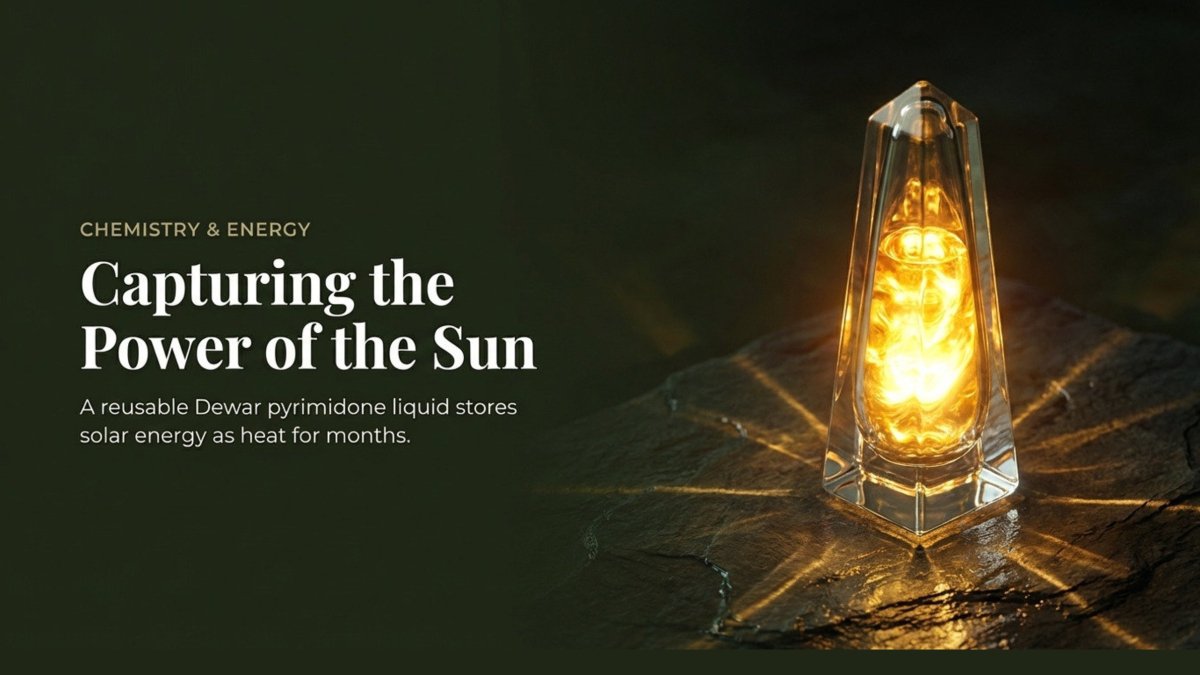
–The Liquid That Could Change Solar Energy Forever
–The Tiny Green Machines Cleaning Our Water
And don't forget to stick around for the speed round, where we'll dive into even more great news!
–AI Just Beat Expert Doctors at Diagnosing Rare Diseases
–A Breakthrough in Parkinson’s Research
–The Philippines Recognizes Same-Sex Property Co-Ownership
–U.S. Organ Transplants Hit New Heights for the Fifth Year in a Row
Source: Interesting Engineering