
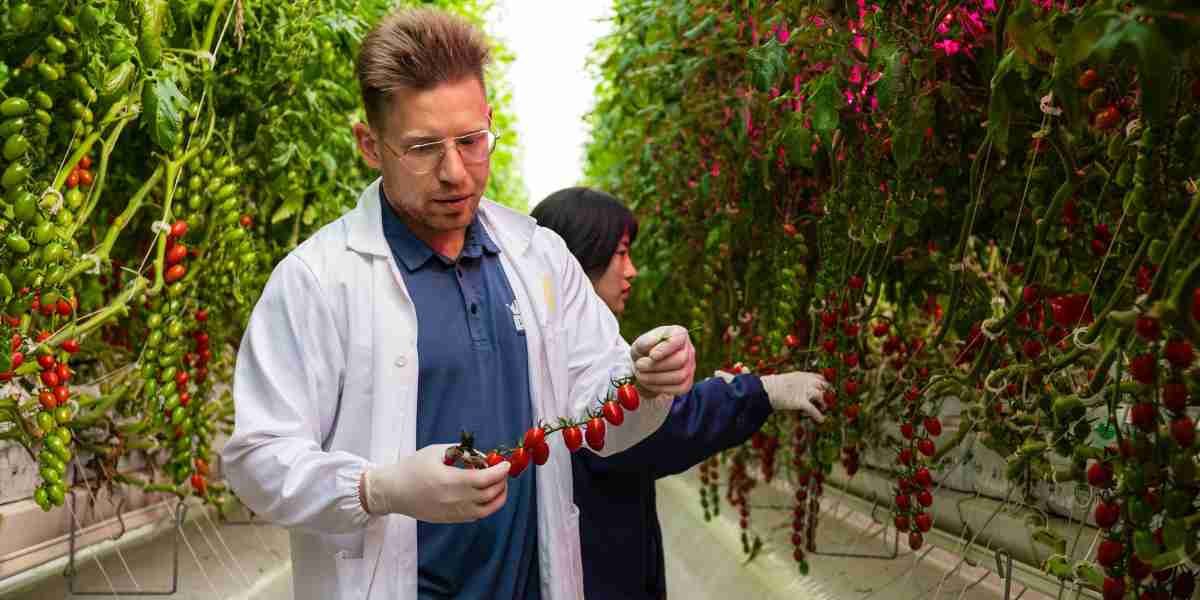

NASA’s research has played a crucial role in the development of vertical farming techniques, which allow crops to be grown vertically on walls or in racks, providing a sustainable alternative to traditional agriculture. Vertical farms can produce high crop yields per acre and fresh produce can be grown in or near cities, reducing the need for long-distance transportation. Despite challenges related to water usage and energy consumption for heating and powering the technology, startups such as Plenty Unlimited and Green Sense have leveraged NASA’s research to develop innovative solutions. The global market for vertical farming is forecasted to reach new heights, and private-sector sustainable food production is expected to continue to grow around the world. [1]
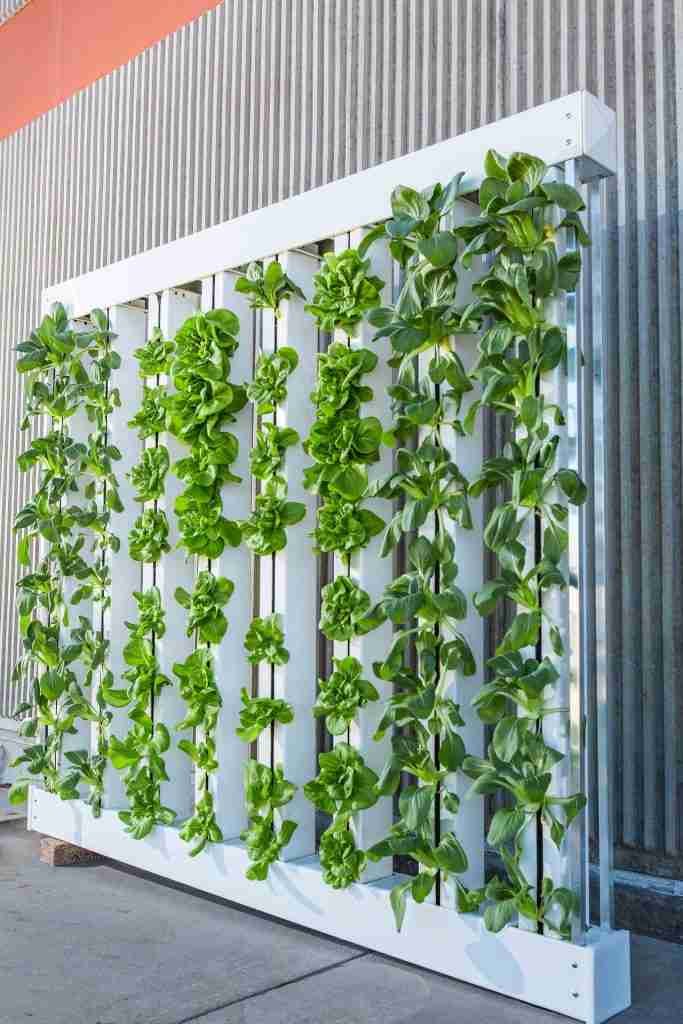
Vertical farming involves turning buildings into farms by growing crops vertically on walls or in racks one on top of the other, allowing maximum use of space. In some cases, plants are grown hydroponically, a technique of growing plants using a water-based nutrient solution rather than soil, with water circulating around the building instead of with compost.
NASA established the first vertical trial farm in a former hypobaric chamber left over from testing the Mercury space capsule, recognizing the need to provide astronauts with fresh produce during long spells in space. NASA’s research efforts have been instrumental in establishing the controlled environment agriculture industry and its subsequent companies. Plenty Unlimited, a startup founded using NASA’s research, uses soil-free hydroponic systems to get flavorful and tender produce in their farms, using less than 1% of traditional water usage. Another company, Green Sense, utilizes software to optimize conditions in climate-controlled vertical farms in order to increase plant success and collects data on plant growth.
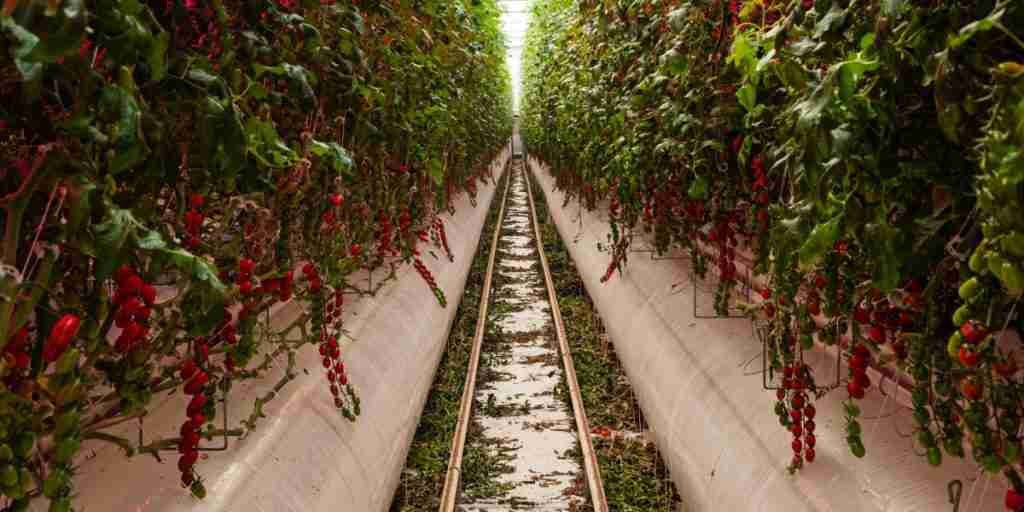
The global market for vertical farming is forecasted to reach $7.3 billion by 2025. In the US, over 2300 farms are using hydroponics for crop cultivation, accounting for 35% of the vertical farming sector. Vertical farming can play an important role in reducing emissions from the agricultural sector while providing affordable and abundant food to consumers, especially in urban areas where fresh vegetables and produce are harder to come by. However, challenges arise with the amount of water required and the constant energy involved to power the technology and provide heating. Nevertheless, startups like Plenty and Green Sense are working on overcoming these challenges and developing sustainable methods to increase food production around the world. [1]
Read more > NASA Research is Unleashing a Vertical Farming Boom