Inhalable Treatment Could Replace Months of Pills
Tuberculosis is one of those diseases that feels like it belongs to another era — and yet it remains one of the world’s deadliest infectious illnesses. TB claimed an estimated 1.25 million lives in 2023 alone. It’s curable, which makes those numbers all the more sobering. The real enemy isn’t just the bacteria — it’s the treatment itself.
Current TB therapy takes many months and involves multiple drugs that can cause serious side effects. Because of this, many patients struggle to finish treatment, which leads to treatment failure and drug-resistant TB. That last part is particularly alarming: incomplete treatment doesn’t just fail the individual patient, it breeds strains of TB that are harder for everyone to fight.
Now, researchers at the University at Buffalo may have found a better way.
Tiny Particles, Big Impact
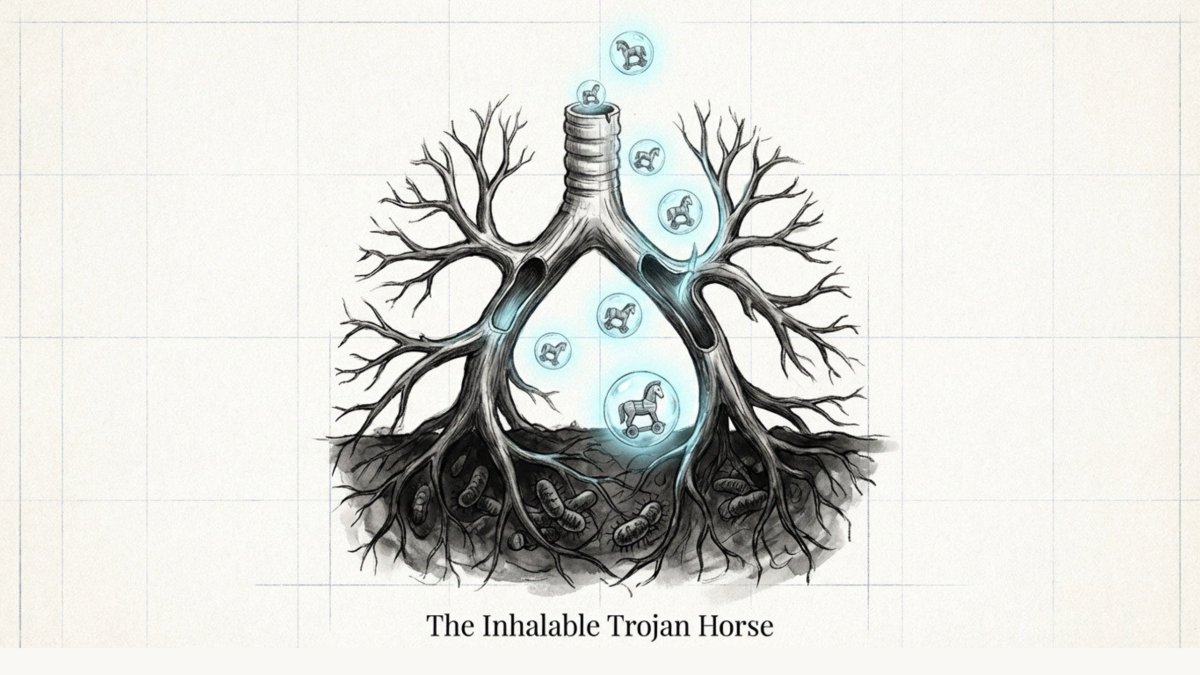
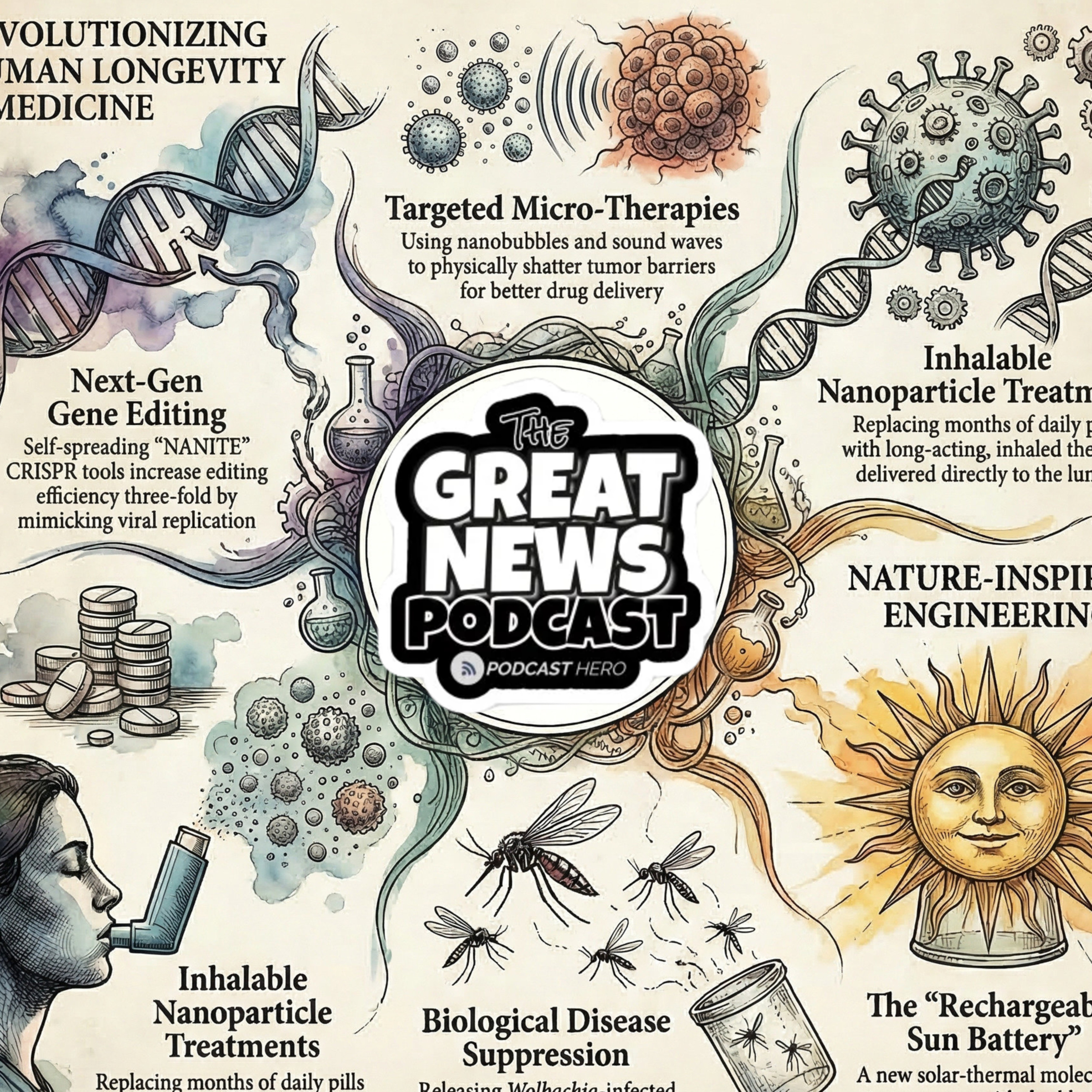
Instead of swallowing daily pills for months, future TB patients might one day breathe in a mist of tiny drug-loaded particles just once a week — and get more medicine where it is needed most: deep in the lungs.
The approach centers on rifampin, a cornerstone TB drug with a frustrating flaw. Rifampin works well but has two major drawbacks when taken orally: it can damage the liver, and not enough of the drug reaches the lungs, where TB bacteria actually live. The University at Buffalo team solved this by engineering microscopic nanoparticles that carry rifampin directly into the lungs when inhaled. Each nanoparticle has a biodegradable core loaded with rifampin, and an outer layer coated with a naturally derived molecule designed to be recognized and absorbed by macrophages — the immune cells that TB bacteria infect and hide inside.
In mouse models, the results were striking. The inhaled treatment delivered significantly higher lung concentrations of rifampin and maintained therapeutic levels for up to a week after a single dose.
Why This Matters Beyond the Lab
The implications stretch far beyond a cleaner drug delivery mechanism. Six months of daily pills is a long commitment, especially for people managing poverty, unstable housing, or competing health crises. Miss doses, and the bacteria develop resistance. A weekly treatment — delivered in a way that reduces side effects — could change the math for millions of people, particularly in regions where TB burden is highest.
The potential doesn’t stop at TB, either. Rifampin is also a key medication for other serious lung infections caused by non-tuberculous mycobacteria, such as Mycobacterium kansasii and Mycobacterium xenopi, which are increasingly recognized in the US. These infections often affect people with chronic lung disease and can be difficult to treat.
What Comes Next
The research, published in Antimicrobial Agents and Chemotherapy, is still in preclinical stages. The next milestones are toxicology and first-in-human trials, followed by studies comparing the inhaled system with standard multidrug oral regimens. The team also plans to explore combining the nanoparticles with other TB antibiotics, since combination therapy remains the foundation of effective treatment.
It’s early days, but the science is promising. If this approach translates to humans, it could represent one of the most meaningful advances in TB care in decades — not by discovering a new drug, but by finally delivering an old one where it needs to go.
This topic was featured in Great News podcast episode 36.

The Great News Podcast is your source for positive news, inspiring stories, and good news from around the world. We skip the doom and gloom of mainstream media to focus on scientific breakthroughs, environmental wins, and the inspiring news that proves the world is getting better. Join Andrew McGivern for a dose of optimism and uplifting stories that will change your perspective on human progress.
It is easy to find the
Keep looking for the good in the world, because it is not only there – its everywhere.
This episode is brought to you by the Daily Quote. The podcast designed to kickstart your day in a positive way.
Today, we are diving into some truly groundbreaking advancements in medicine, biotechnology, and sustainable energy. What if a gene editor could replicate and spread like a virus to ensure it reaches every cell that needs a cure? That is our lead story today.
Plus, we have a ”rechargeable sun battery” that outperforms lithium-ion, tiny bubbles that shatter cancer’s defenses, and a city-wide success story in wiping out Dengue fever.
CRISPR Gene Editor Replicates and Spreads Like a Virus
New Sun Battery Beats Lithium-Ion
Bubbles and Ultrasound Break Soften Tumour Walls for Better Treatment
And don’t forget to stick around for the speed round, where we’ll dive into even more great news.Prime C Shows Striking Survival Benefit in ALS Clinical Trial
Inhalable Treatment Could Replace Months of Pills for TB
Could a “Longevity Protein” Slow How We Age?An Inflammation Suppressor Decreases Mortality
Turning Our Own DNA Against Cancer
Until next time, keep looking for the good in the world, because it’s not only there—it’s everywhere.
Source: Antimicrobial Agents and Chemotherapy / Indian Defense Review