Google’s Texas Data Center Takes Aim at the Water Problem
The AI boom has a thirst problem. A medium-sized data center can consume around 110 million gallons of water annually for cooling — roughly equivalent to what a thousand households use in a year. Multiply that across thousands of facilities, and the strain on local water supplies becomes hard to ignore, particularly in drought-prone states like Texas.
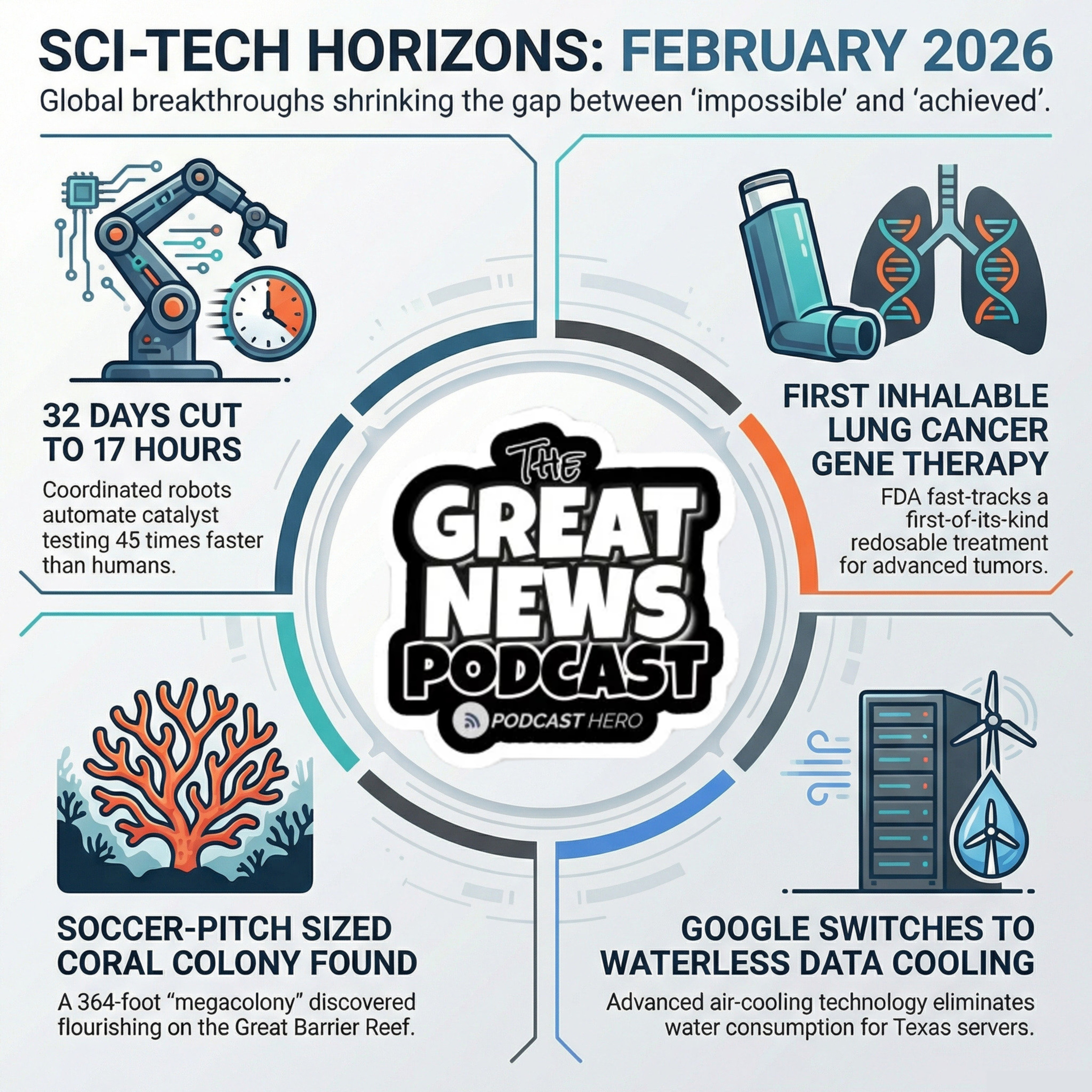
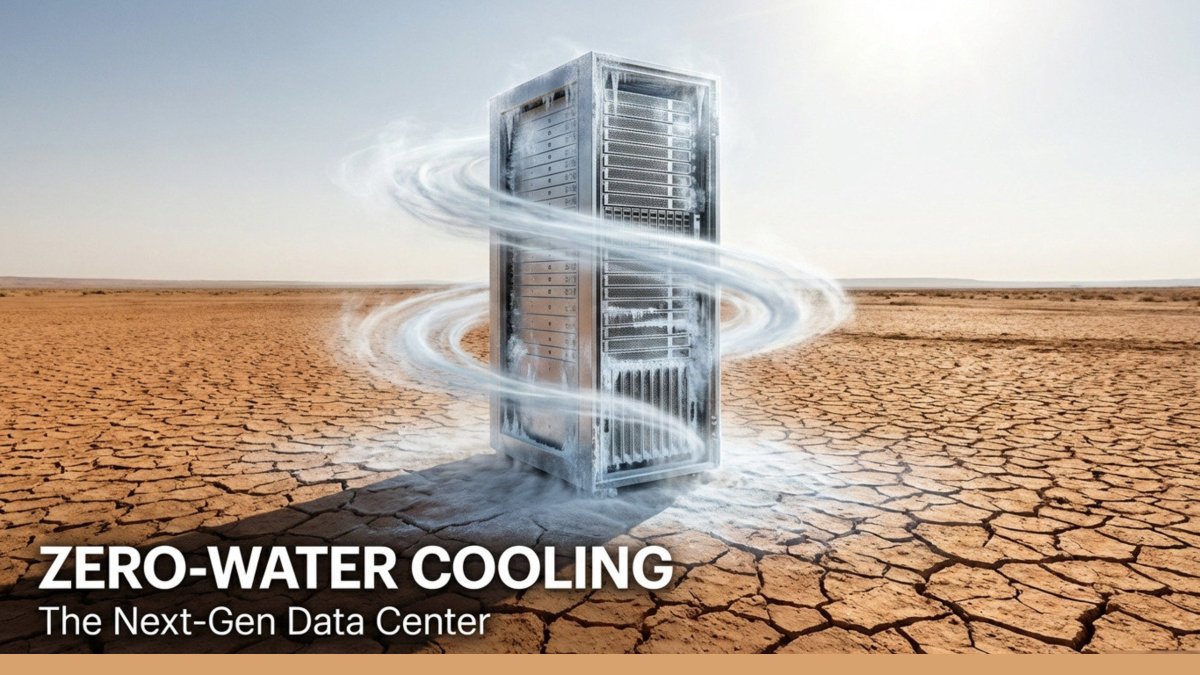
Google is trying to change that narrative with its upcoming data center in Wilbarger County, Texas. The facility, part of the company’s $40 billion, two-year investment in the state, will use advanced air-cooling technology, limiting water consumption to only critical campus operations like kitchens. In other words, the servers themselves won’t require a drop.
It’s a meaningful departure from the industry norm. Evaporative cooling — which essentially evaporates water to keep server temperatures down — has long been favored because it’s cheaper and less energy-intensive than alternatives. But data center experts note there’s usually a trade-off: if water consumption goes down, energy consumption tends to go up. That’s where Google’s energy strategy comes in. The company is partnering with AES to bring new clean energy generation online directly alongside the data center , aiming to offset the additional power demands of air cooling with renewable sources.
Google has also committed to replenishing more water than it consumes and is working with conservation groups like Texan by Nature and Texas Water Trade on watershed health in the region.
The announcement comes at a sensitive time. Communities across Texas have been pushing back on data center construction, with concerns spanning higher electricity bills, water use, and environmental risk. In San Marcos, residents successfully blocked a data center project over water concerns. The backlash is real, and tech companies are being forced to respond.
To their credit, some are doing so constructively. Microsoft has also been piloting zero-water evaporation systems that recycle water through closed loops, eliminating the need for fresh water in cooling entirely.
Google’s Wilbarger project still leaves some questions unanswered — the company hasn’t disclosed the specific cooling technology being used, and the proof will be in the operational data once the facility goes live. But the direction is right. As AI infrastructure continues its explosive growth, the industry’s relationship with local water and energy resources can no longer be an afterthought. Projects like this one suggest that, at least for some players, it no longer is.
This topic was covered in Great News podcast episode 32.

The Great News Podcast is your source for positive news, inspiring stories, and good news from around the world. We skip the doom and gloom of mainstream media to focus on scientific breakthroughs, environmental wins, and the inspiring news that proves the world is getting better. Join Andrew McGivern for a dose of optimism and uplifting stories that will change your perspective on human progress.
It is easy to find the
Keep looking for the good in the world, because it is not only there – its everywhere.
Today, we are diving into a ”fountain of youth” for the brain, a massive underwater discovery by a mother-daughter duo, and a plan to save the world's most popular fruit. Plus a new water free data center…
Can We Reprogram Our Way Out of Alzheimer's?
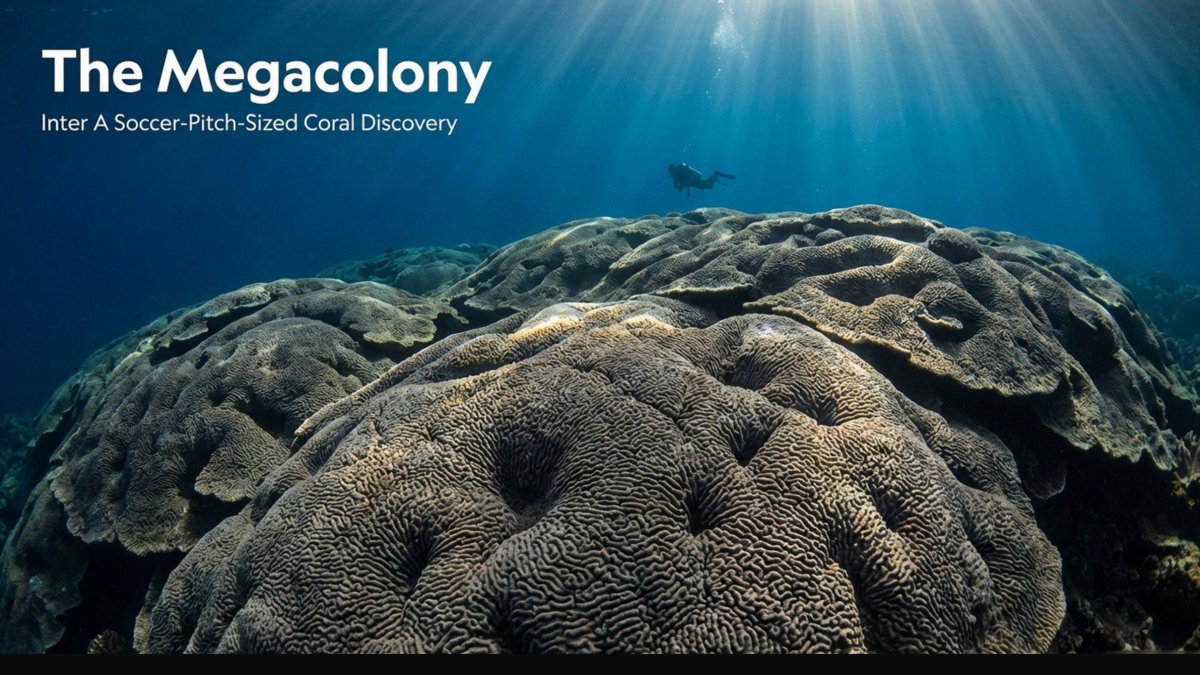
A Mother, a Daughter, and the World's Largest Coral Discovery
Protecting Commercial Bananas From Fungus
New AI Data Center to Use Zero Water?
And don't forget to stick around for the speed round:
Robots Are Transforming the Chemistry Lab — One Catalyst at a Time
Breathe In, Fight Back: The World's First Inhalable Gene
Therapy for Cancer Just Got Fast-Tracked
Why Your Funniest Teacher Was Probably Your Best Teacher