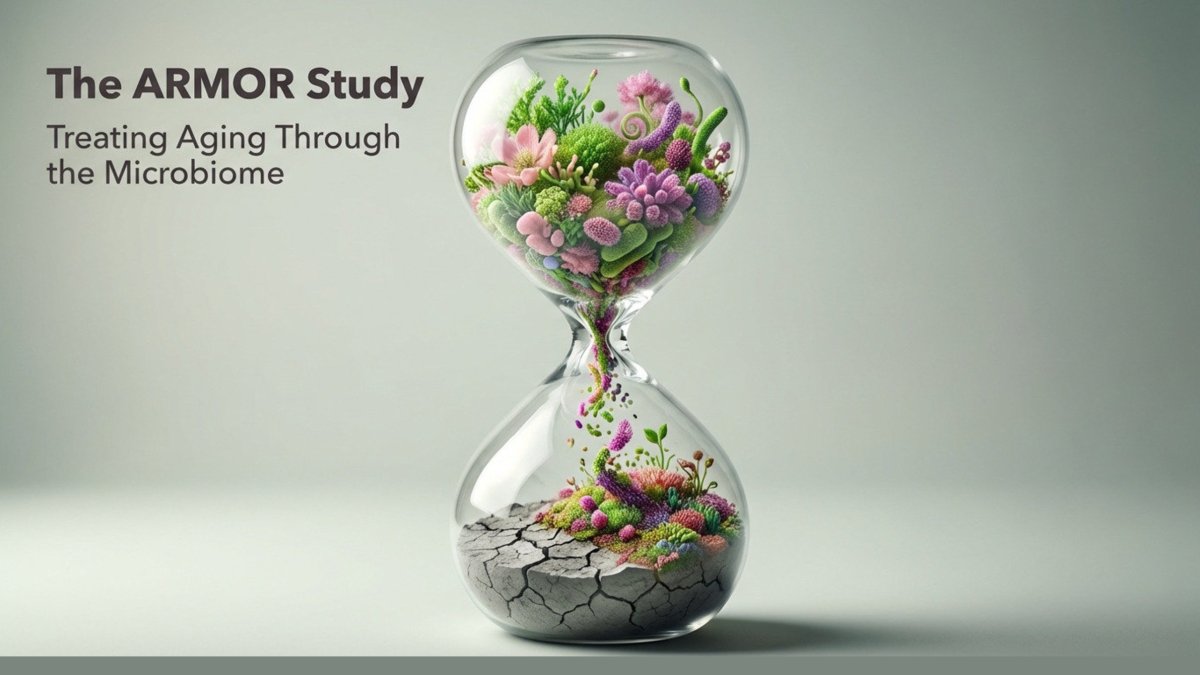
Could a Gut Transplant Help You Age Better? Meet the ARMOR Study
Your gut is home to trillions of microbes, and as you age, that community slowly falls apart. Beneficial bacteria decline, troublemakers proliferate, and the result is a chronic, low-grade inflammation that quietly undermines muscle, brain, and metabolic health. It’s one of the less glamorous corners of aging research — but it may be one of the most actionable.
A new clinical trial called ARMOR (Aging Resilience Through Microbiota Optimization and Regulation) is putting a bold idea to the test: what if you could rejuvenate an older person’s gut microbiome simply by transplanting microbiota from a young, physically active donor?
The Science Behind the Idea
Fecal microbiota transplantation (FMT) is already an approved medical procedure — most commonly used to treat stubborn C. difficile gut infections by essentially rebooting the patient’s microbial ecosystem. What makes ARMOR different is who the donors are and why.
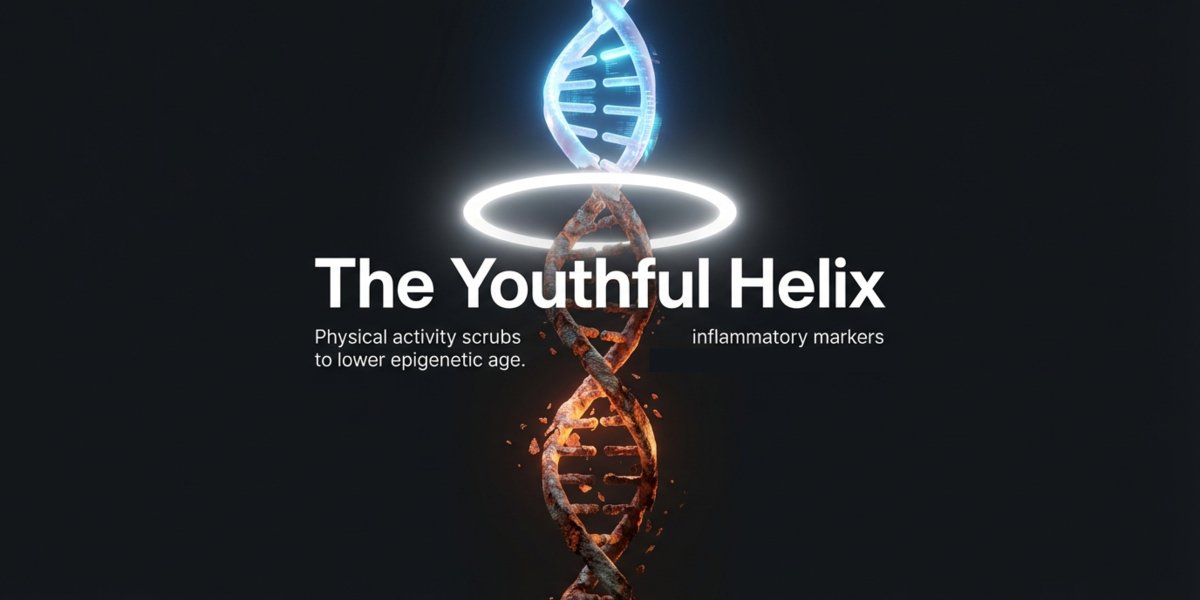
The trial draws on animal research showing that transferring gut microbiota from young animals to old ones produces lasting health improvements and even extended lifespan. Researchers have long observed that aging disrupts what’s known as “microbial diversity” — fewer species, less production of beneficial metabolites like butyrate, and more bacteria that trigger inflammatory responses. In older adults, this dysbiosis has been specifically linked to sarcopenia: the progressive, debilitating loss of muscle mass and strength that affects up to half of people over 80.
ARMOR’s hypothesis is that by restoring a more youthful microbial profile, you can interrupt this cascade — improving muscle function, cognitive performance, and metabolic health all at once.
What Makes This Trial Unique
Rather than using random healthy donors, ARMOR specifically selects young, physically active donors, based on evidence that exercise substantially boosts gut microbial diversity. The transplant itself is delivered not via the uncomfortable colonoscopy route, but through lyophilized (freeze-dried) capsules — a far more practical and scalable approach.
The trial is a rigorous double-blind, randomized, placebo-controlled study enrolling adults aged 65–84. Participants receive either FMT capsules or a placebo, and are assessed at baseline and at 4, 8, and 20 weeks for outcomes including muscle strength, gait speed, body composition, metabolic biomarkers, cognitive performance, and gut microbiome composition.
Why This Matters
What’s compelling about FMT as a longevity intervention is its relative simplicity. This isn’t gene editing or senolytics — it’s a procedure with an already-established safety profile, administered in pill form. If it works, it could be a remarkably accessible tool for healthy aging.
That said, human trials specifically targeting aging with young-donor FMT have been scarce. ARMOR is one of the first rigorous attempts to fill that gap. We shouldn’t expect miracles from a single intervention, and the gut microbiome will likely drift back toward an aged profile over time — but even a measurable improvement in functional autonomy and muscle resilience in older adults would be a significant finding.
Results are expected within the next few years. For now, ARMOR represents exactly the kind of translational science the longevity field needs more of: taking compelling animal data and subjecting it to proper human clinical scrutiny.
Watch this space.
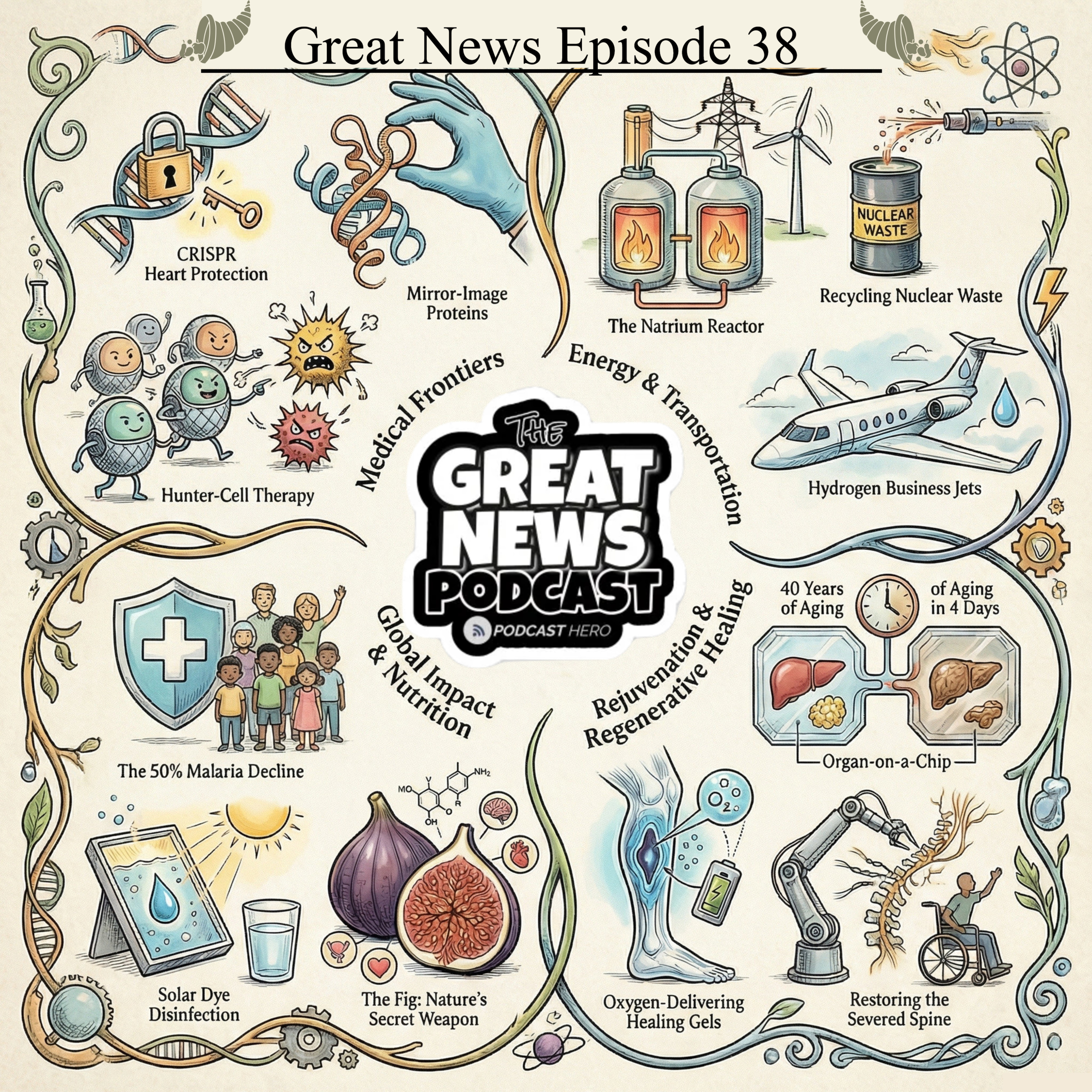
This topic was featured in Great News podcast episode 32.

The Great News Podcast is your source for positive news, inspiring stories, and good news from around the world. We skip the doom and gloom of mainstream media to focus on scientific breakthroughs, environmental wins, and the inspiring news that proves the world is getting better. Join Andrew McGivern for a dose of optimism and uplifting stories that will change your perspective on human progress.
It is easy to find the
Keep looking for the good in the world, because it is not only there – its everywhere.
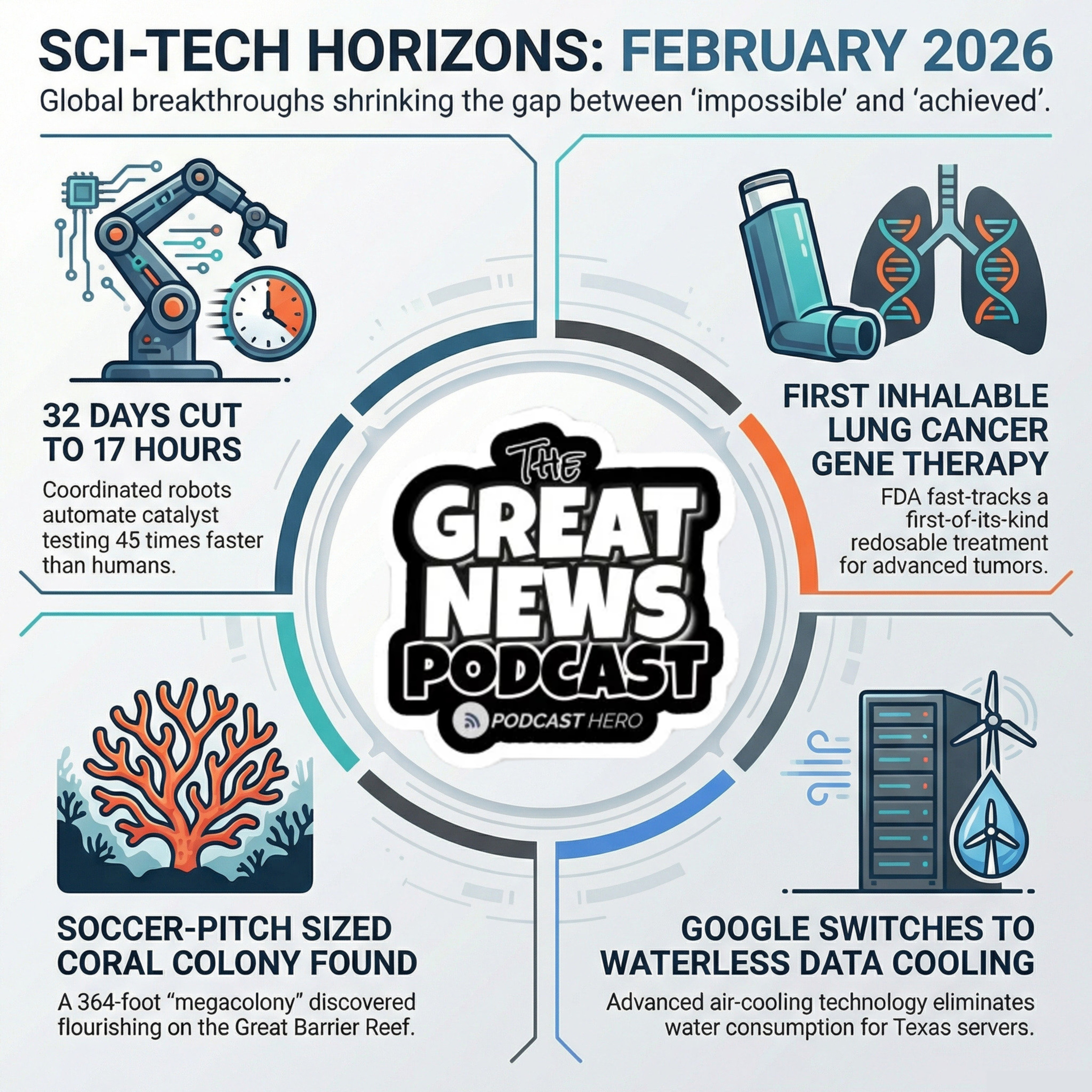
Today, we are diving into a ”fountain of youth” for the brain, a massive underwater discovery by a mother-daughter duo, and a plan to save the world's most popular fruit. Plus a new water free data center…
Can We Reprogram Our Way Out of Alzheimer's?
A Mother, a Daughter, and the World's Largest Coral Discovery
Protecting Commercial Bananas From Fungus
New AI Data Center to Use Zero Water?
And don't forget to stick around for the speed round:
Robots Are Transforming the Chemistry Lab — One Catalyst at a Time
Breathe In, Fight Back: The World's First Inhalable Gene
Therapy for Cancer Just Got Fast-Tracked
Why Your Funniest Teacher Was Probably Your Best Teacher
Source: Fight Aging!